
CATL launches sodium batteries: extremely durable and stable at –40°C
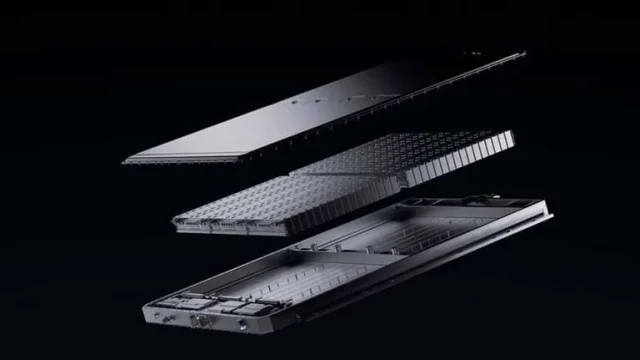
CATL launches sodium batteries: extremely durable and stable at –40°C
CATL presented the first sodium batteries produced ...EVmarket Romania (EVmarket.ro)

CATL presented the first sodium batteries produced ...EVmarket Romania (EVmarket.ro)
warbond
in reply to robinhoode • • •Allero
in reply to warbond • • •TrackinDaKraken
in reply to robinhoode • • •Since lithium prices crashed, sodium batteries' main advantage of being cheaper has vanished.
They're also lower capacity for the same weight.
The best application is where cold might be an issue, and weight isn't. So, for large storage. Or, where cold is always an issue, such as in the Arctic.
passepartout
in reply to TrackinDaKraken • • •Sodium is basically ubiquitous and sodium batteries are much easier to produce, which is not to be neglected amid rising geopolitical tension. They are also a lot safer to handle. The technology has improved to be ready for the market in almost no time and is still improving rapidly.
They won't be in your smartphone or wireless earbuds where energy density is key, but for large storage grids or maybe even cars, they might replace LiPo or LiFePO4.
Einskjaldi
in reply to passepartout • • •_stranger_
in reply to Einskjaldi • • •Mihies
in reply to _stranger_ • • •MotoAsh
in reply to Mihies • • •Mihies
in reply to MotoAsh • • •SreudianFlip
in reply to MotoAsh • • •Vancouver BC has had exposed trolley wires for many decades, no major mishaps. Sometimes drivers have to jump out and reconnect the charge arms, which puts them in the road for half a minute.
Can you point out the actual, demonstrated risks?
Mihies
in reply to passepartout • • •SaveTheTuaHawk
in reply to Mihies • • •Mihies
in reply to SaveTheTuaHawk • • •Grapho
in reply to Mihies • • •JoeMontayna
in reply to passepartout • • •eleitl
in reply to TrackinDaKraken • • •SaveTheTuaHawk
in reply to eleitl • • •SaveTheTuaHawk
in reply to eleitl • • •of course there is, and everyone is assuming lithium won't be recycled.
RaoulDook
in reply to TrackinDaKraken • • •Pennomi
in reply to TrackinDaKraken • • •Grapho
in reply to TrackinDaKraken • • •geneva_convenience
in reply to TrackinDaKraken • • •htrayl
in reply to TrackinDaKraken • • •ShinkanTrain
in reply to robinhoode • • •SaveTheTuaHawk
in reply to ShinkanTrain • • •