
🌱 The US has 40 million acres of lawn. It's our largest irrigated crop, and most of it is an ecological dead zone.
But you don't have to nuke your whole yard. Some alternatives:
Clover lawns: fix their own nitrogen (no fertilizer needed), need far less water, stay green in drought, and Dutch white clover alone supports 55 bee species.
nationalgeographic.com/environ…
Bee / pollinator lawns: mix low-growing native flowers into turf. A Cornell demo plot now needs zero fertilizer, pesticides, or irrigation and supports 4x the insect diversity of conventional turf.
wildones.org/what-is-a-pollina…
Wildflower meadows: one study found converting lawns to meadows supported 35 bee species in just two years.
blog.nwf.org/2024/04/grow-beyo…
The key finding: you don't have to go all in. Converting even 10-20% of a yard makes a measurable difference. And "No Mow May" alone isn't enough, year-round reduced mowing is where the real benefit is.
#nativeplants #pollinators #biodiversity
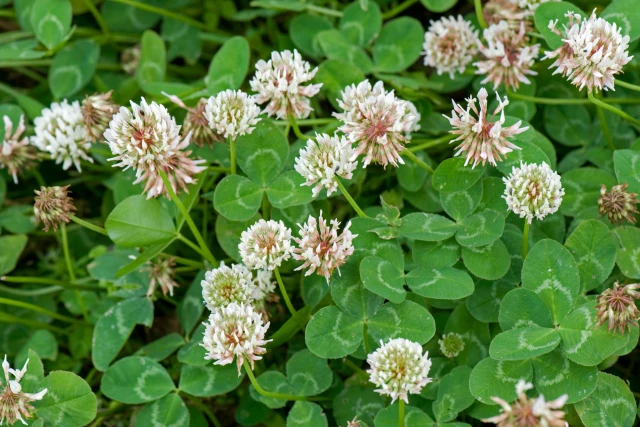
Here's why people are ditching their grass lawns for clover
Perfectly manicured turf grass takes a toll on the environment, leading some to embrace unconventional lawn alternatives.Ally Hirschlag (National Geographic)
