Search
Items tagged with: orion

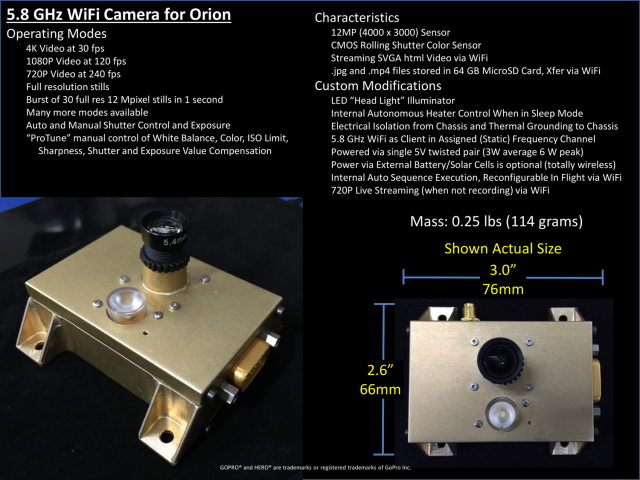
Some info on the GoPro HERO4 cameras attached to each of the 4 solar arrays of the Artemis II Orion European Service Module (ESM).
These are a WiFi-based GoPro cameras, modified for use in space.
- 5.8 GHz WiFi
- 4kx3k pixels (12 MP)
- Fixed 18-mm lens
- No LED/LCD display
- Metal case
The primary purpose of these cameras is to check the health and status of the spacecraft and to aid in problem diagnosis.
Go #Artemis2 #Orion #ESM
ntrs.nasa.gov/api/citations/20…
71/n

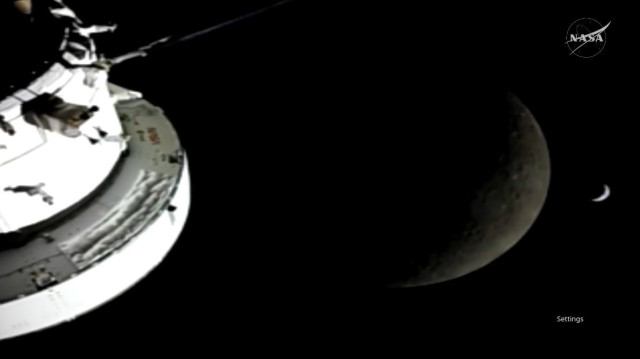
Question for my astronomer-on-speeddial @uastronomer (or AstroFedi!)
I asked over on Threads, and received a couple of plausible sounding speculations, but nothing definitive. Wonder if you can shed more light on this.
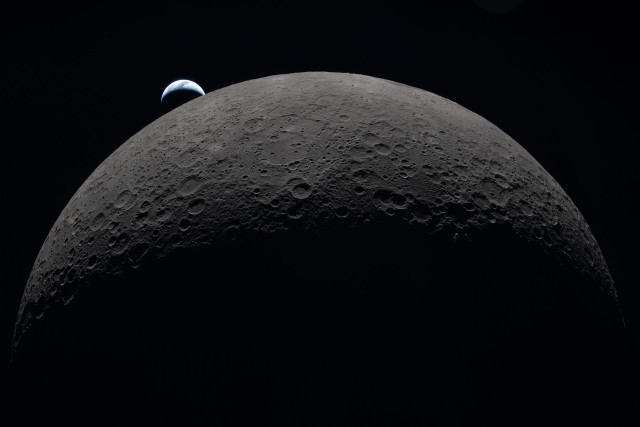
When I view the projected trajectory on NASA’s official Artemis tracker page (nasa.gov/missions/artemis-ii/a…), if you align it to match the plane of the Moon's orbit, you will notice that most of the outbound coast (including the original orbit of the Earth) happens mostly in the same plane as the Moon's orbit, i.e. only moving in the X and Y axis, but no real movement in the Z-axis. But the fly-by results in a dip “downwards” (from the reference of my recording) in the path, i.e. Orion doesn’t stay in the exact same plane as the Moon's orbit after flying by the Moon, but rather starts moving along the Z-axis as well, by quite a bit. What is the reason for that Z-axis movement in the trajectory post fly-by?
#Artemis #ArtemisII #NASA #artemis2 #Orion
NASA: Artemis II
Artemis I will be the first in a series of increasingly complex missions to build a sustained human presence at the Moon for decades to come.NASA
Orion Snaps a Selfie During External Inspection
Orion snapped this high-resolution selfie in space with a camera mounted on one of its solar array wings during a routine external inspection of the spacecraft on the second day into the Artemis II mission. Credit: NASA
#Artemis #Artemis2 #Orion #Integrity #OrionIntegrity #spacecraft #NASA #Moon #space #news #selfie
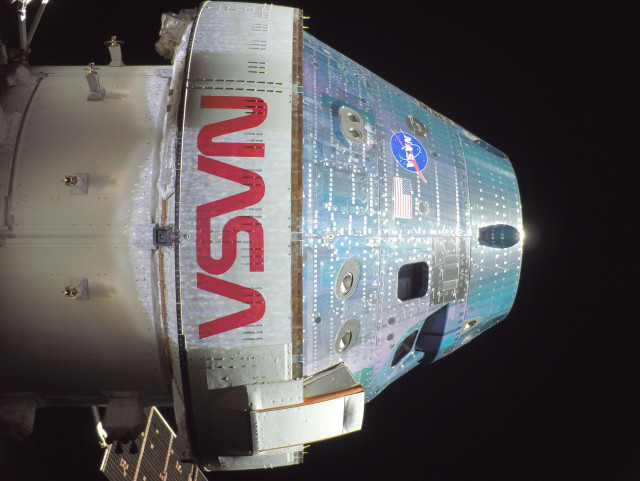
Orion Snaps a Selfie During External Inspection
art002e004411 (April 3, 2026) - Orion snapped this high-resolution selfie in space with a camera mounted on one of its solar array wings during a routine external inspection of the spacecraft on the second day into the Artemis II mission.Flickr
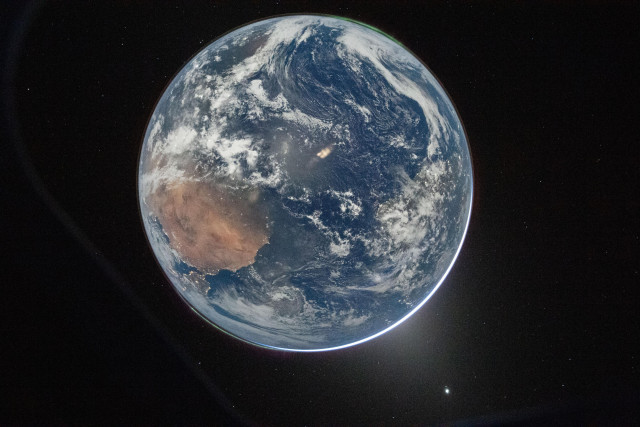
Artemis II Commander Reid Wiseman took this picture of Earth from the Orion spacecraft after completing the translunar injection burn. There are two auroras (top right & bottom left) and zodiacal light (bottom right) is visible as the Earth eclipses the Sun.
nasa.gov/image-article/hello-w…
#Earth #Artemis #Artemis2 #Orion #Integrity #OrionIntegrity #spacecraft #NASA #Moon #space #aurora
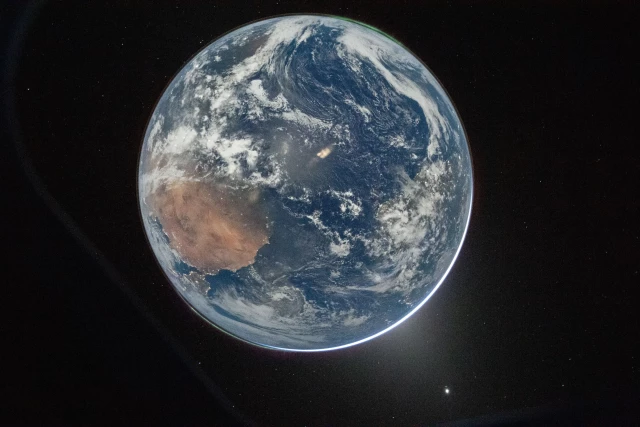
Hello, World - NASA
NASA astronaut and Artemis II Commander Reid Wiseman took this picture of Earth from the Orion spacecraft's window after completing the translunar injectionNASA