Search
Items tagged with: academicChatter
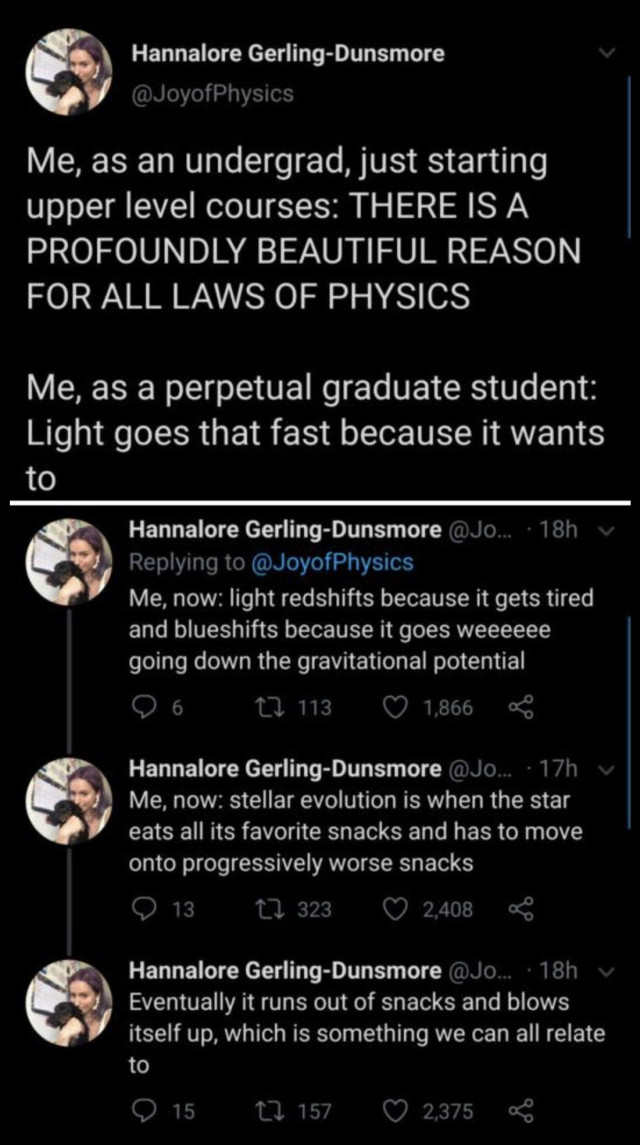
Folks, this is a perfectly accurate description of getting a PhD studying space.
#space #academicchatter #phd #astrophysics #Astronomy #Astrodon #science

RE: freeradical.zone/@funnymonkey/…
Any good people from #academicChatter have ideas or links?


Question for the fediverse hivemind: has anyone seen any research on the tendency to underreport scams and how that varies across age, gender, race, etc?I can't believe this research doesn't exist, and you -- the beautiful people of the fediverse -- are the ones most likely to know about it!
Idea for a different way of doing project grants. Make decisions about which projects to fund based only on the questions asked, and then require successful grantees to go through a multi round post decision review process to sharpen up the methods and make sure they can answer the question.
One of the main reasons I find grant proposals and reviews unsatisfactory is the incentives are there for applicants to hide methodological issues which limits the collaborative value of the review. In this version, once you get the funding you want to bare all to get the best feedback to improve.
Great blog by Pat Thompson on academic writing:
▶️ patthomson.net/2026/03/08/gett…
"Academic writing is a form of thinking. It’s not the transcription of thoughts already completed, but a process of thinking itself. One of the ways we make writing harder than it needs to be is by writing as though our argument has arrived fully formed, rather than being wrestled into shape over several drafts."
This is why you *need* to write yourself, even and especially when writing is hard!
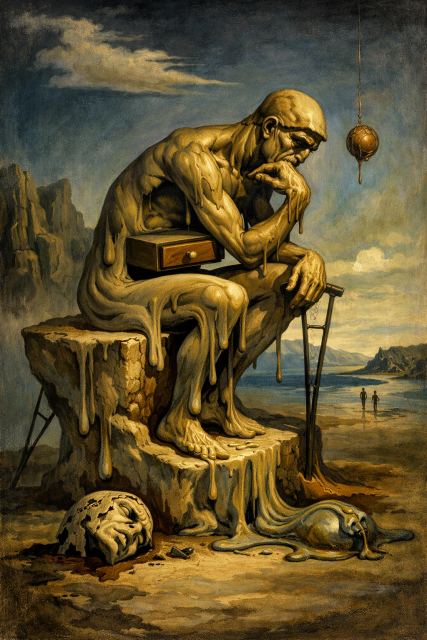
getting comfortable with being uncomfortable
Good academic writing means sitting with a discomfort that never entirely goes away. It’s not a discomfort that comes from having nothing to say. Most of us have more than enough ideas crowding the…patter
