Search
Items tagged with: archaeology

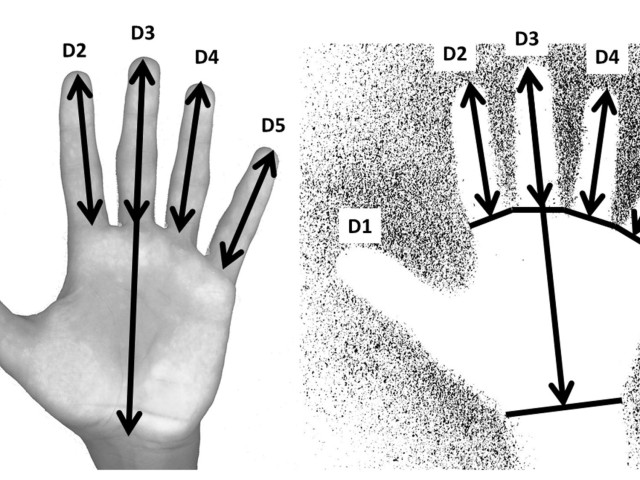
Women leave their handprints on the cave wall
UNIVERSITY PARK, Pa. -- Plaster handprints from kindergarten, handprint turkeys, handprints outside Grauman's Chinese Theater in Hollywood -- are all part of modern life, but ancient people also left their handprints on rocks and cave walls.A'ndrea Elyse Messer (Penn State News)

🏺 TIL: The Nok culture of central Nigeria was making iron tools centuries before Rome became an empire.
Flourishing from roughly 1500 BC to 200 AD, the Nok were among the earliest iron-smelting societies in sub-Saharan Africa. They also created near life-size terracotta sculptures - the oldest known figurative sculpture south of the Sahara, depicting men, women, musicians, and dignitaries with elaborate hairstyles and ceremonial jewelry.
The Nok are one of very few civilizations that jumped straight from stone tools to iron, skipping the Bronze Age entirely. Pearl millet was their staple crop, consumed in ritual feasting contexts at burial sites.
We don't know what language they spoke, what they called themselves, or why their culture disappeared around 200 AD. The name 'Nok' comes from the village where the first terracotta was found by tin miners in 1928.
Read more:
metmuseum.org/essays/nok-terra…
archaeology.org/issues/online/…
worldhistory.org/Nok_Culture/
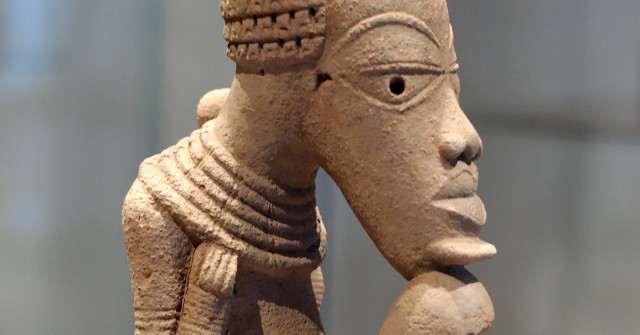
Nok Culture
The Nok culture, named after the settlement of the same name, flourished in southern West Africa (modern Nigeria) during the Iron Age from the 5th century BCE to the 2nd century CE. Famous for the distinctive...Mark Cartwright (https://www.worldhistory.org#organization)
Shackleton’s final ship Quest revealed in first close-up images beneath the Labrador Sea
Researchers have captured the first close-up views of Quest, the last ship used by famed Antarctic explorer Sir Ernest Shackleton. The vessel rests deep in the Labrador Sea, where an international team reached the wreck with the crewed submersible Alvin and the Falcon remotely operated vehicle...
More information: archaeologymag.com/2026/07/sha…
Follow @archaeology
#archaeology #shipwreck #underwaterarchaeology
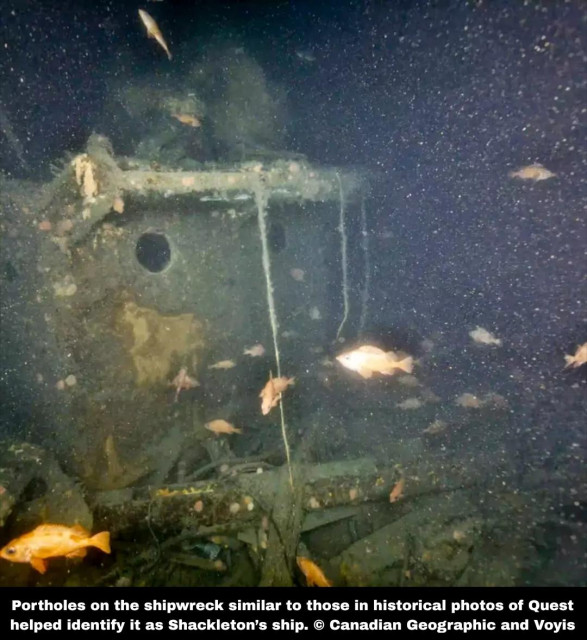
Shackleton's final ship Quest revealed in first close-up images beneath the Labrador Sea
First close-up images of Shackleton's ship Quest reveal its condition, marine life, and damage from fishing nets in the Labrador Sea.Dario Radley (Archaeology News Online Magazine)
Ancient tombs with golden tongues found at Egypt’s Marina El Alamein reveal 2,000-year-old burial secrets
Archaeologists have uncovered 18 ancient tombs and a large group of burial objects at Marina El Alamein, an ancient city on Egypt’s northwestern Mediterranean coast. The finds add fresh detail to one of Egypt’s best preserved coastal sites and show...
More info: archaeologymag.com/2026/07/tom…
Follow @archaeology
#archaeology #archeology #archaeologynews #anthropology #egyptology #ancientegypt
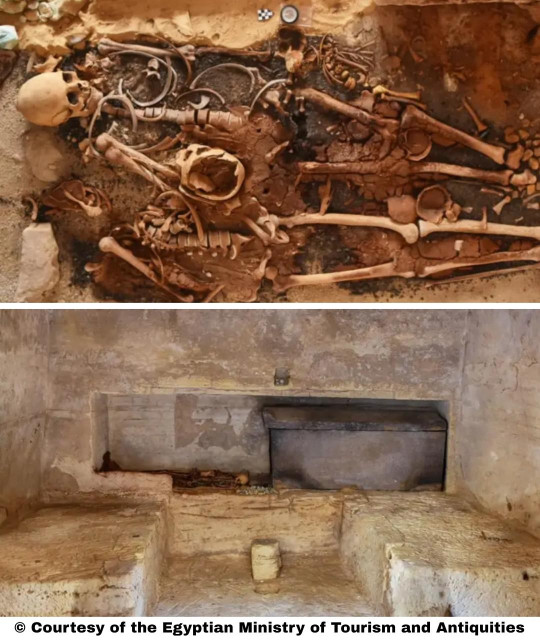
Ancient tombs with golden tongues found at Egypt's Marina El Alamein reveal 2,000-year-old burial secrets
Archaeologists found 18 ancient tombs, golden tongues, and a sealed granite sarcophagus at Egypt's Marina El Alamein.Dario Radley (Archaeology News Online Magazine)
Bronze Age boat carvings reveal vast sea networks linking Iberia and Scandinavia
Bronze Age boat carvings found on rocks in Spain and Portugal suggest people living along Europe’s Atlantic coast shared ideas, technology, and beliefs across long sea routes more than 3,000 years ago...
More information: archaeologymag.com/2026/06/boa…
Follow @archaeology
#archaeology #archeology #archaeologynews #anthropology #bronzeage #petroglyphs
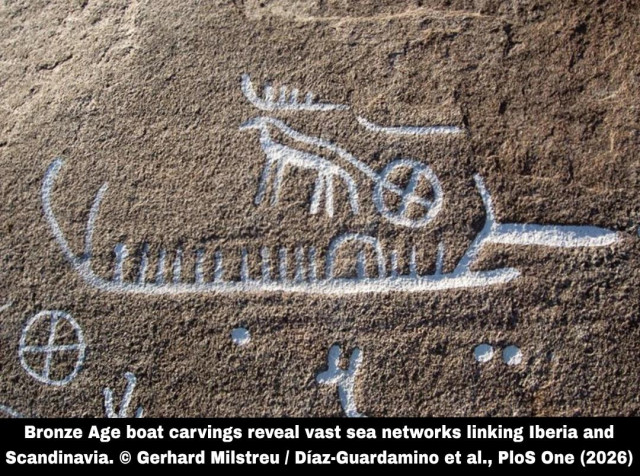
Bronze Age boat carvings reveal vast sea networks linking Iberia and Scandinavia
Bronze Age boat carvings reveal ancient sea networks linking Iberia and Scandinavia through trade, technology, and shared beliefs.Dario Radley (Archaeology News Online Magazine)
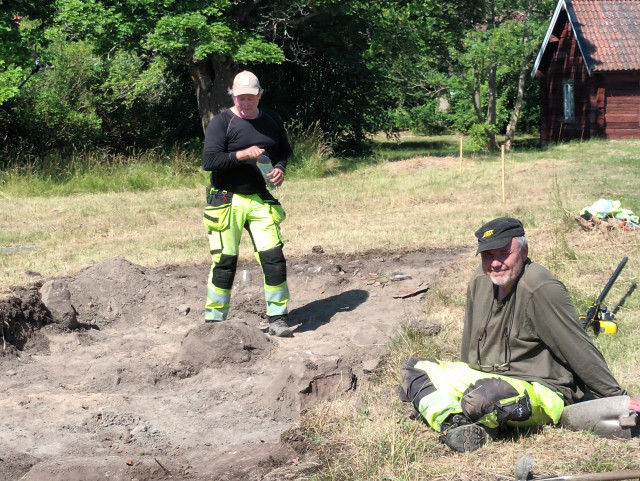
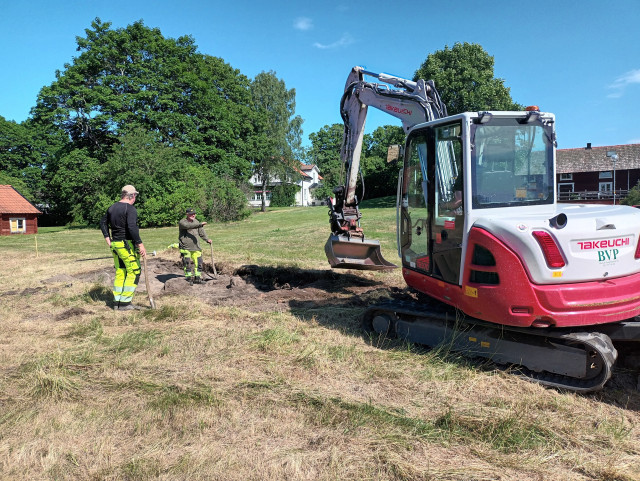
American historical archaeologists can become upset when they realise how little attention Swedish colleagues pay to post-1700 rural settlement. 😄
Why we don't care much: it's everywhere, it has ample maps and written documentation, and we have lots and lots of these buildings still standing.
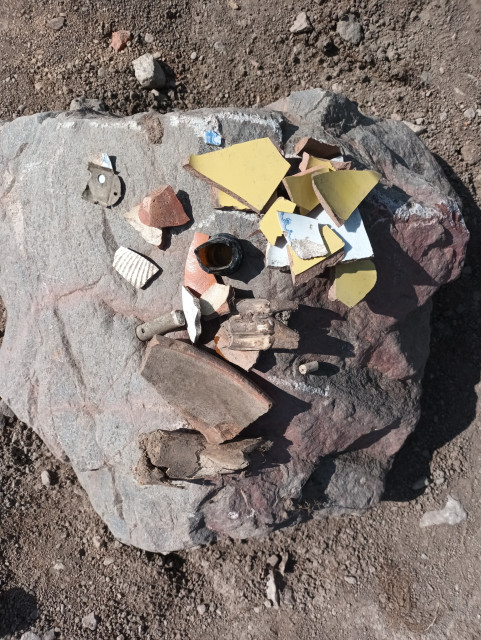
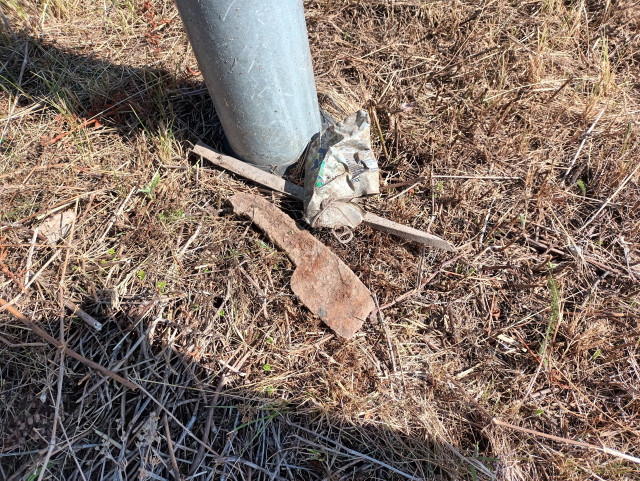
And we're digging! Already found the foundation of an 1800s barn and a lot of modern scrap metal.
What do you want to know today about Swedish contract #archaeology?
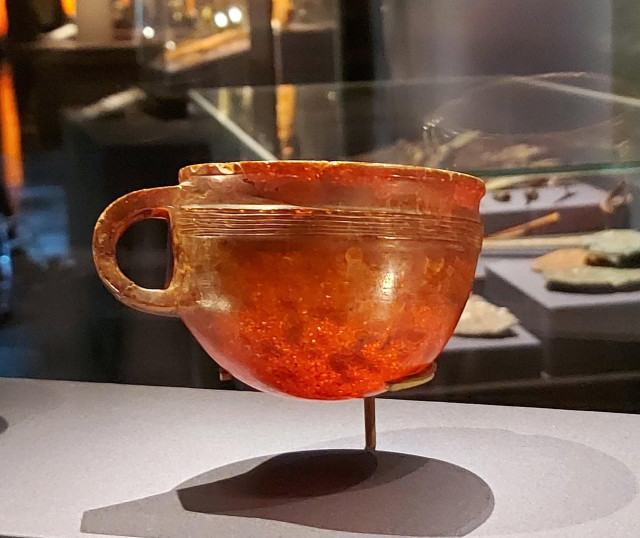
The Hove Amber Cup, crafted approximately 3,500 years ago from a singular piece of Baltic amber, was discovered in 1856 within a Bronze Age burial mound in Hove, Sussex.
It is the best preserved of only two
such Bronze Age vessels identified across Europe.
📷 me
🏺 #Archaeology