Search
Items tagged with: astrophotography
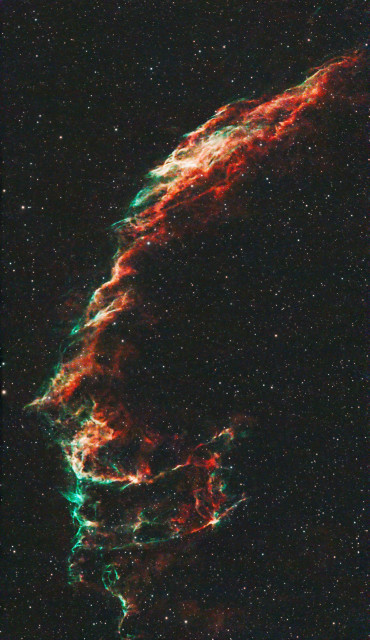
NGC 6992 - Eastern Veil nebula
Another part of the massive Cygnus loop, a 20,000 year old remnant of a supernova that lies about 1500 light years away in the constellation Cygnus. This halo of gas and dust emits light because it is electrically charged (ionised) by the resulting radiation from the supernova.
Seestar S50, processed in Siril and GIMP. Tools include RC-astro, SETI astro and Graxpert.
#astrophotography #cloughjordan #darksky #deepsky #seestar_s50

Stonehenge under the Milky Way — the highlight of my holiday in southern England, captured on the very first night. Almost perfect conditions, right beside the ancient stones.
▼ IRIX 15mm | Canon EOS R
astrocamp.eu/en/stonehenge-and…
#astrophotography #astronomy #nature #deepsky
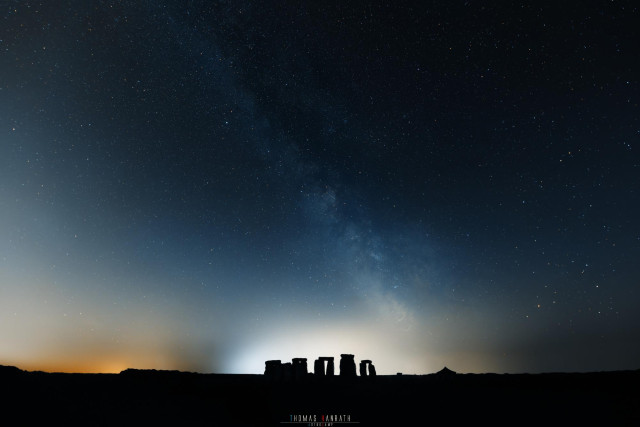
Stonehenge and Milky Way, Jul'26
The highlight of my holiday in southern England came on the very first night: Stonehenge with a touch of the Milky Way!Thomas Hanrath (Astrocamp – Astrophotography & Deep-Sky Catalog)
Moon mountains and star dust: David Malin astrophotography awards 2026 – in pictures
'From auroras and nebulas to deep sky star clusters, the competition features submissions from amateur astronomers and photographers from Australia and around the world'
RE: hachyderm.io/@thomasfuchs/1169…
What's really intriguing as someone doing #astrophotography is how many people doing this are right-wing assholes who actively work on destroying their own hobby


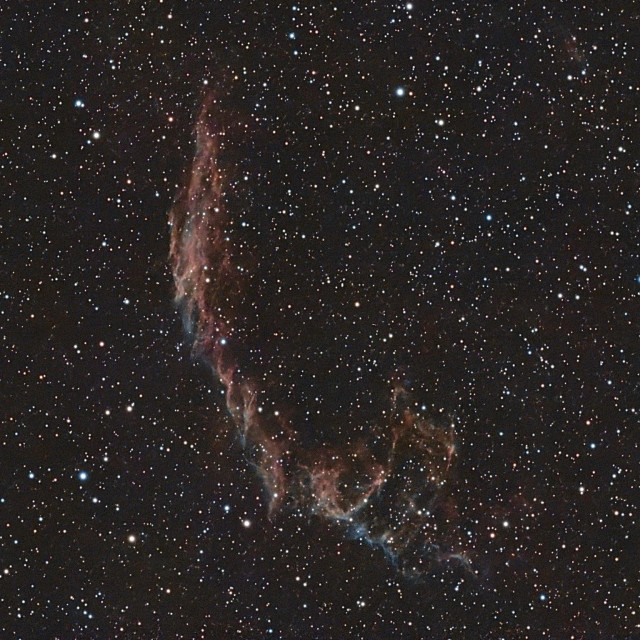
C 33 the Veil Nebula last night taken with my new Dwarf 3 smart telescope. Had a Dwarf 2 but don’t think it was well-collimated. This one has sharper stars which is showing some lovely detail. This was about 220 frames at 15s each using the dual-band filter under super light polluted Bortle 8/9 skies. A little processing in Apple Photos. Not bad at all!
#Astrodon #lookup #dwarf3 #seattle #AstroPhotography
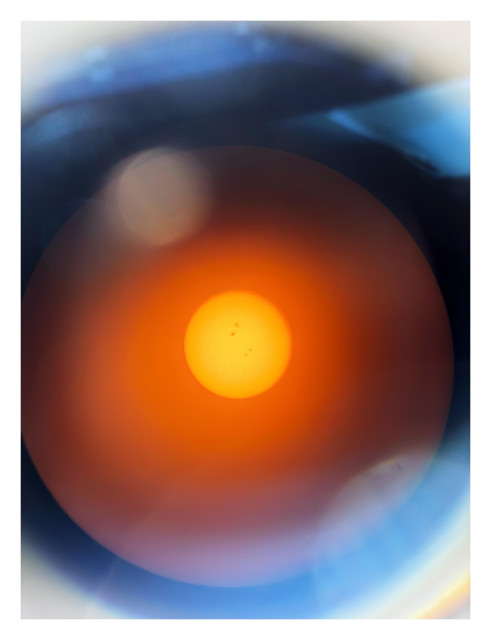
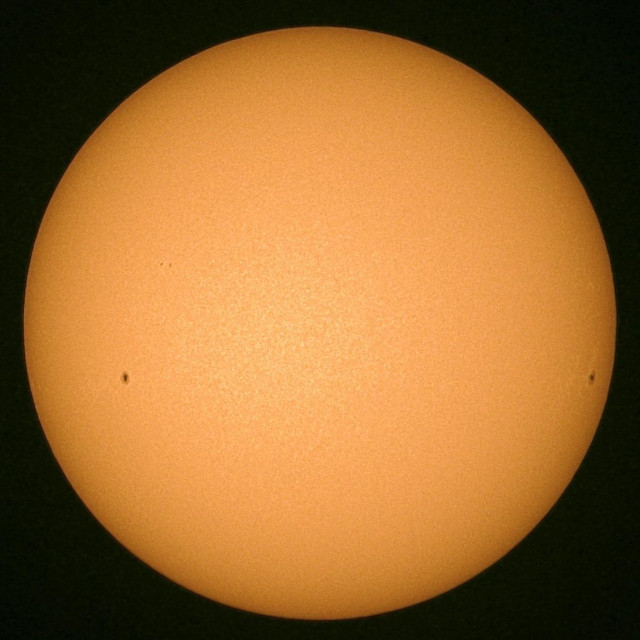
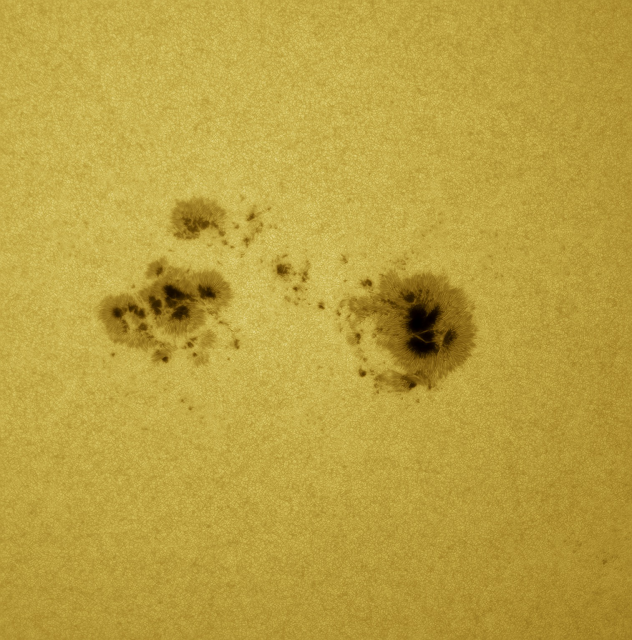
Seeing a lot of “red sun” photos that people have taken in the wildfire haze. Here’s a more benign one: it’s an “oops” photo that I snapped while attaching my phone to my telescope to capture some sunspot images a while back. I really like it though!
(But for some reason it won’t open the pod bay doors.)
#photography #astrophotography #sun #sunspots #circles #red #orange #hal9000 #2001aspaceodyssey
Our star as seen earlier today from West Seattle.
#sunspots #OurStar #astronomy #AstroPhotography #WestSeattle #seattle
After my first try in #astrophotography, I had to continue with some lessons learned. So yesterday I sat again outside in the dark. But this time only in the garden, hoping for enough distance from man made light sources.
I have to say I’m very impressed, what I shot whit the shitty kit lens at 18mm in the garden, with a basic DSLR. 😱
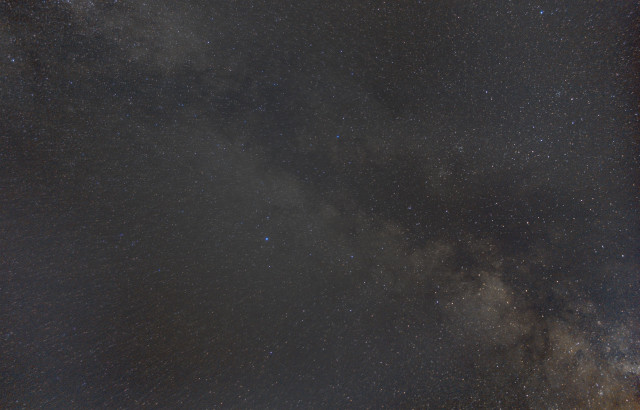
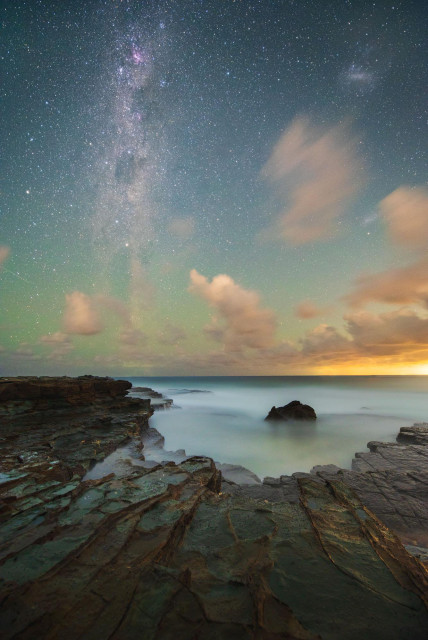
Das zweite Foto gleiches Objektiv, Hochformat, andere Stacking-Parameter mit Sequator Software.
Nachtrag: Ich habe das erste (Breitformat) Foto ausgetauscht, jetzt ist es das zweite Foto.
#astrophotography
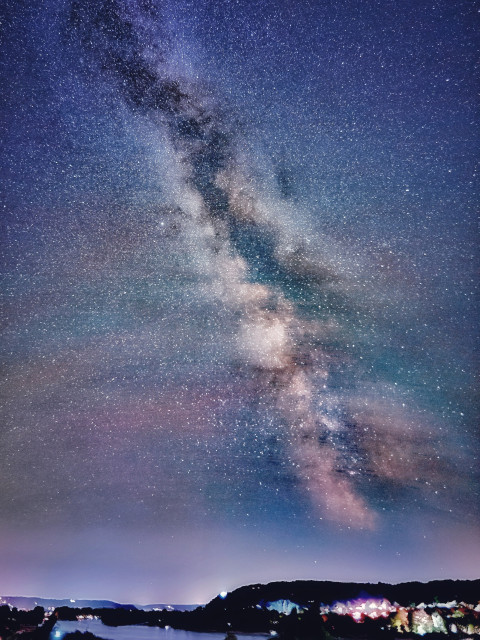
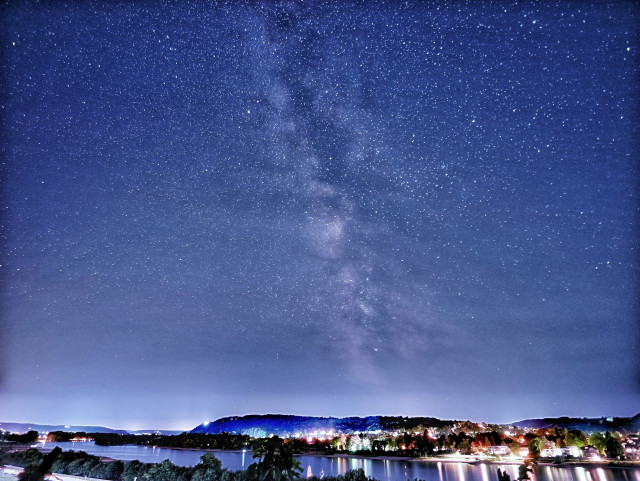
The Milky Way Over the Maunakea Observatories
Credit: Dr. Vera Maria Passegger/NAOJ
subarutelescope.org/en/gallery…
#Maunakea #MilkyWay #photography #astrophotography #Hawaii #astrodon #SubaruTelescope #telescopes
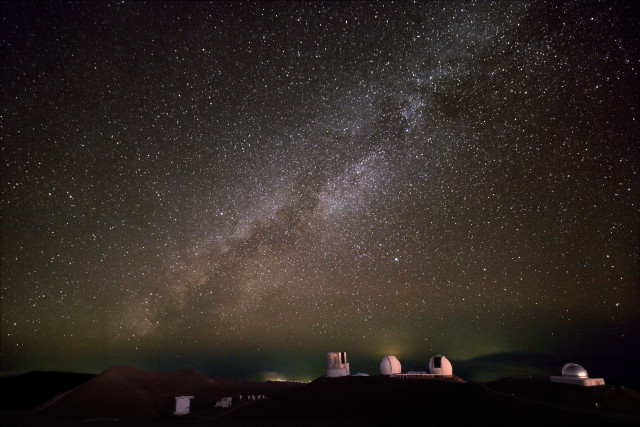
The Milky Way Over the Maunakea Observatories | Subaru Gallery | Subaru Telescope
Subaru Telescope is an 8.2-meter optical-infrared telescope at the summit of Maunakea, Hawaiʻi, operated by the National Astronomical Observatory of Japan (NAOJ), National Institutes of Natural Sciences.Subaru Telescope
🌌 Lovely. ✨
thisiscolossal.com/2026/07/zwo…
#art #photography #astrophotography
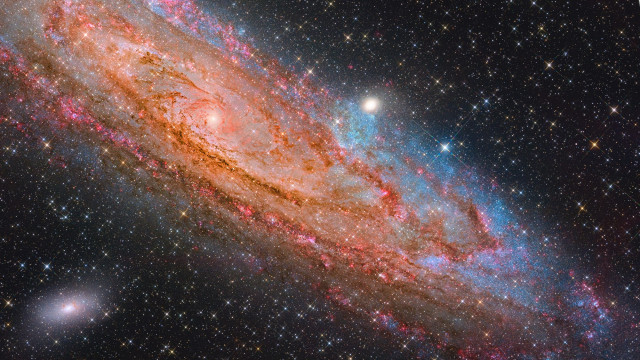
Nebulae, Comets, and Aurorae, Oh My! See the ZWO Astronomy Photographer of the Year Shortlist — Colossal
769 photographers and astronomers from 66 countries submitted more than 4,000 images to this year's competition.Kate Mothes (Colossal)
Just what the label on the box says, spellbinding!
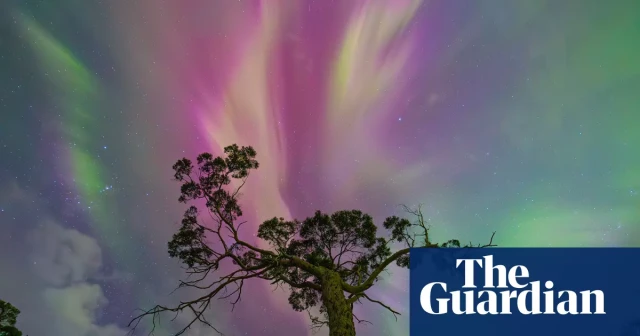
#astrophotography #aurora
petapixel.com/2026/07/06/this-…
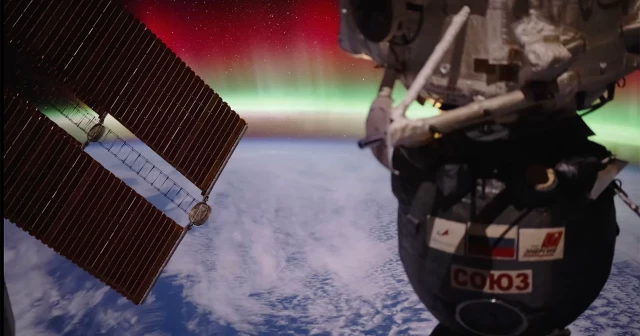
This Spellbinding 4K Timelapse of Aurora Lights is Made From Thousands of Astronaut Photos
A filmmaker has created a beautiful timelapse from photos taken by astronauts onboard the International Space Station.Matt Growcoot (PetaPixel Inc.)
And probably my fav of the night getting our galactic core in with some aurora.
#aurora #northernlights #Astrodon #astrophotography #ElbeWA #pnw
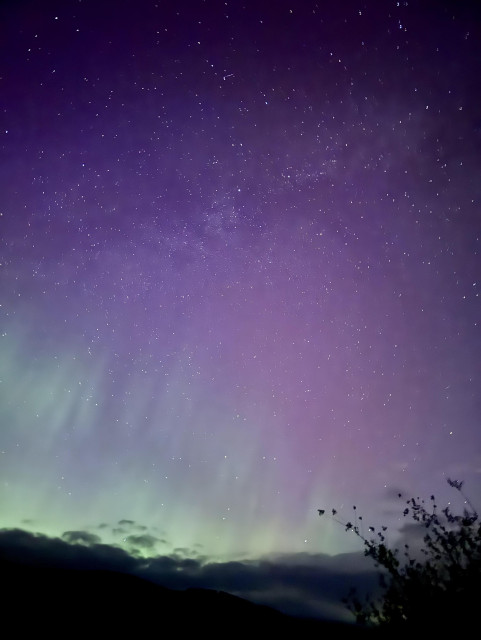
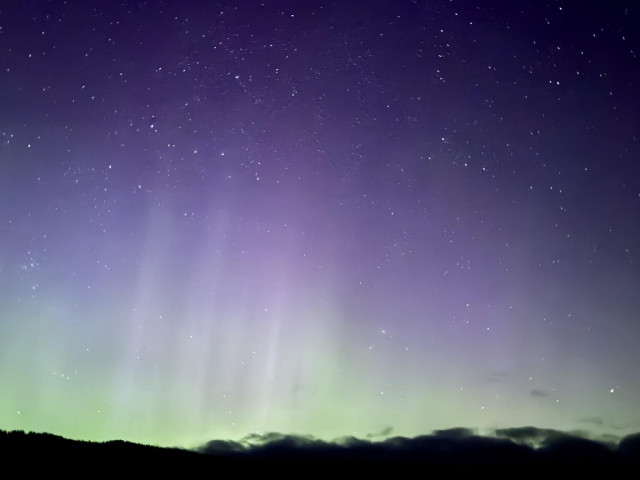
Was able to catch some aurora from near Mt. Rainier tonight. What a treat! Could see structures with my eyes but everything came out with long exposure phone shots.
#aurora #astrophotography #astrodon #tacoma #seattle #NorthernLights
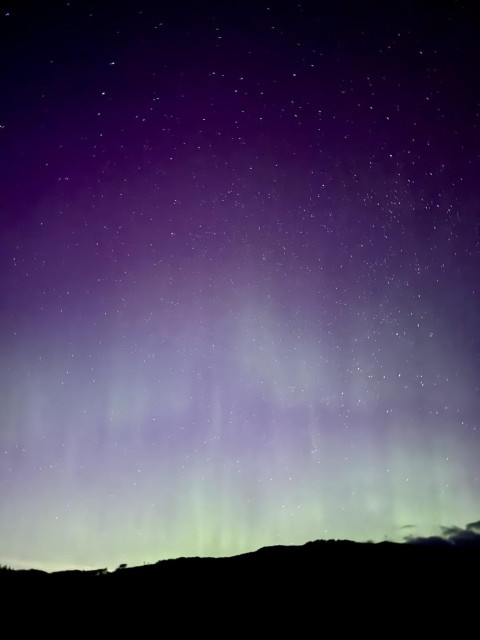
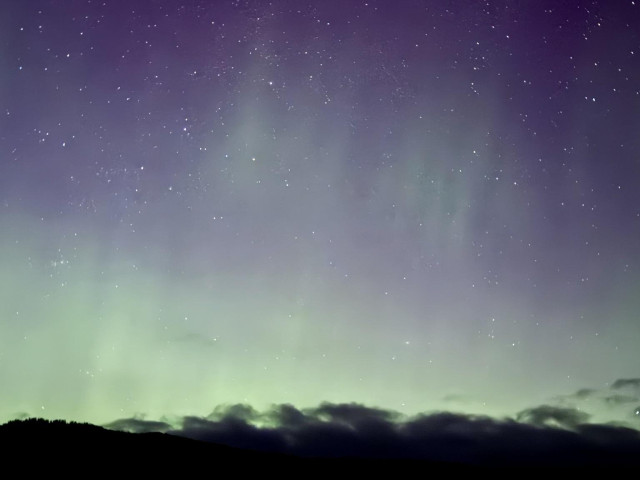
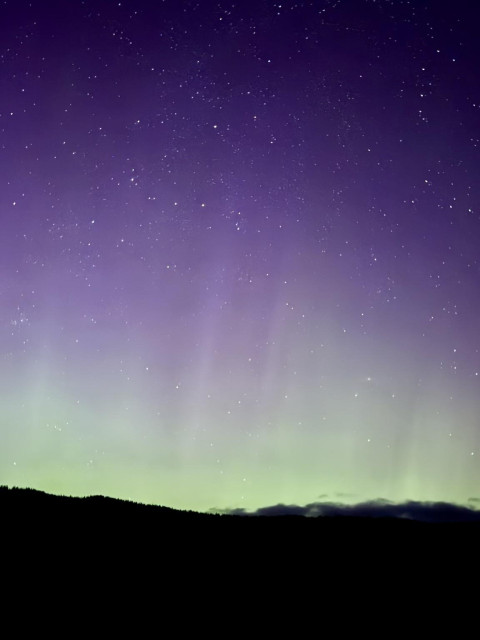
Night sky timelapse on one of the shortest nights of the year.
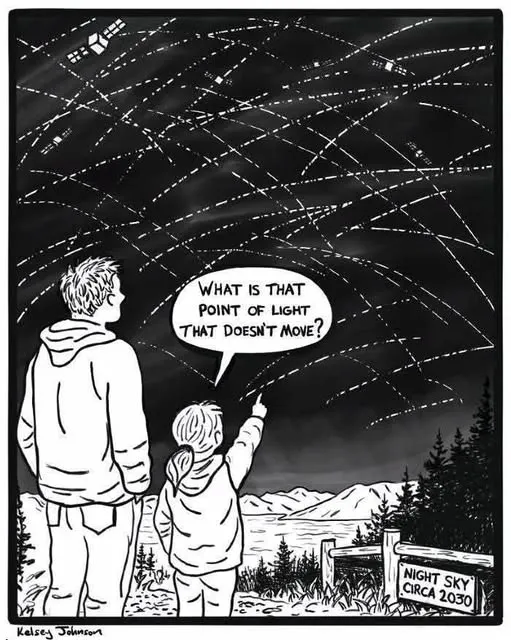
Count the satellites… #nightsky #astrophotography

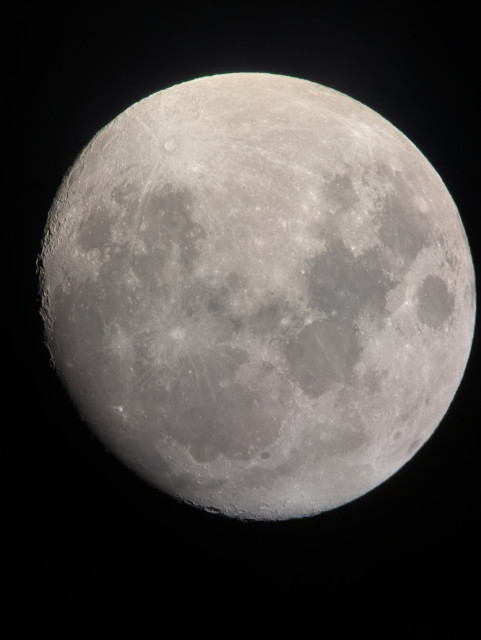
El otro día disfruté de la maravillosa experiencia de ver la Luna a través de un telescopio de un observatorio, y se podía hacer una foto a través del telescopio y BUAH. Es impresionante 🤩
#Luna #Lua #Moon #Astrophotography #Astrogotografía #FotografíaNocturna
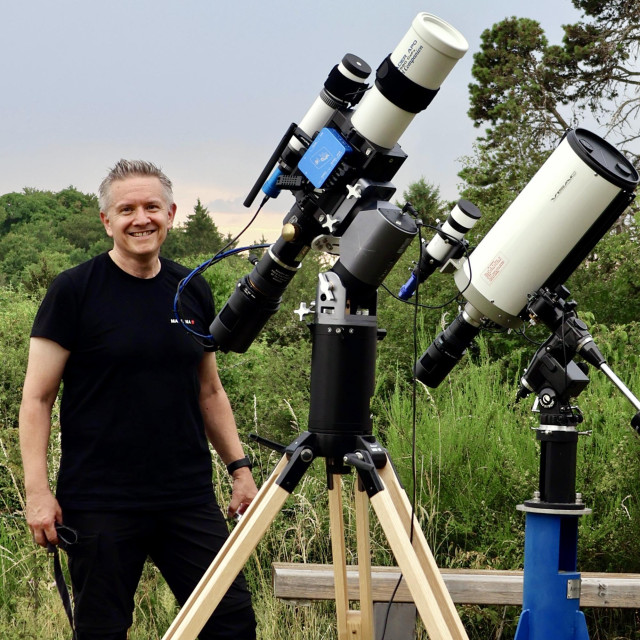
Behind every deep sky image is a story. Discover the gear and passion that drive Astrocamp - from capturing distant galaxies to glowing nebulae and sparkling star clusters. Meet the astronomer chasing the night sky one frame at a time.
I just had a foto session with my daughter and already used some results on my about page.
#astrophotography #astronomy #nature #deepsky
About Me – Astrophotography & Deep Sky – Astrocamp – Astrophotography & Deep-Sky Catalog
Astrocamp is my astrophotography project. Learn about the gear I use to capture galaxies, nebulae and star clusters – and the story behind it.Astrocamp – Astrophotography & Deep-Sky Catalog
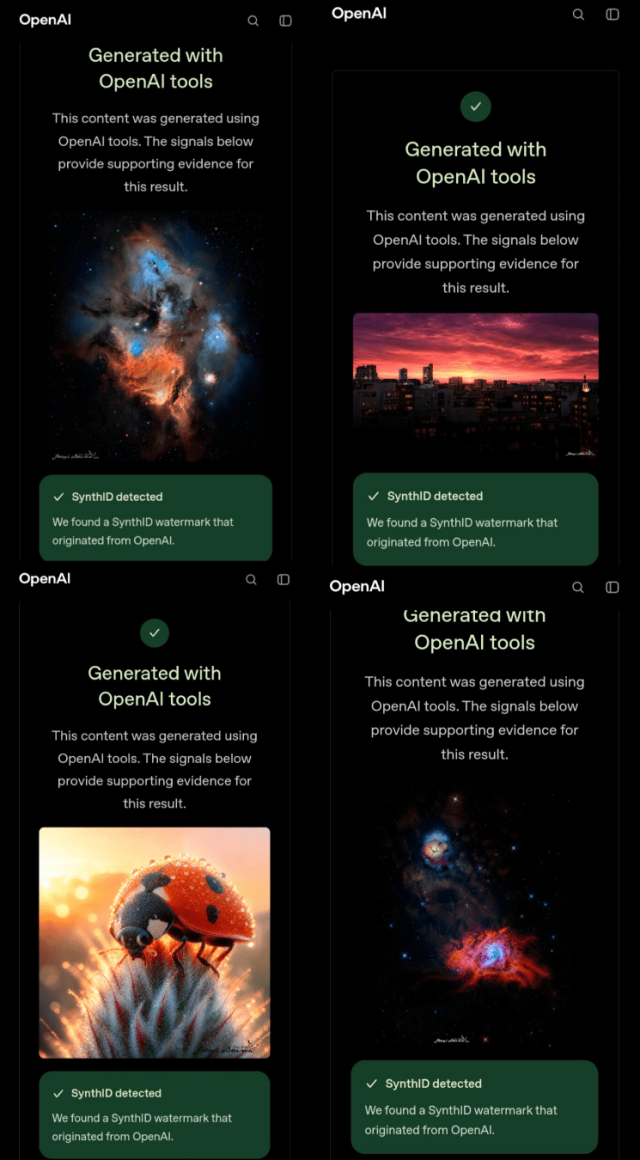
Since it appears that @Jessnatarte has been found out for generating all their "photos" and has now deleted their account or blocked me - I have one more question.
Hey @Ducgris do you have an explanation as to why a lot of your photographs would have an embedded AI watermark?
Given the fact you have put your name to them, have even said where some of them were taken - like the obviously AI generated ladybug one that you claim was taken in Serra Calderona in May of 2021.
Clarification would be great, thank you.
#photography #amateurphotography #ai #noai #supportartists #astrophotography #questions
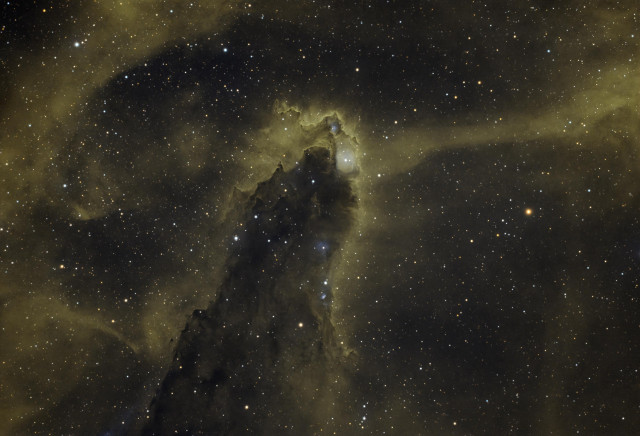
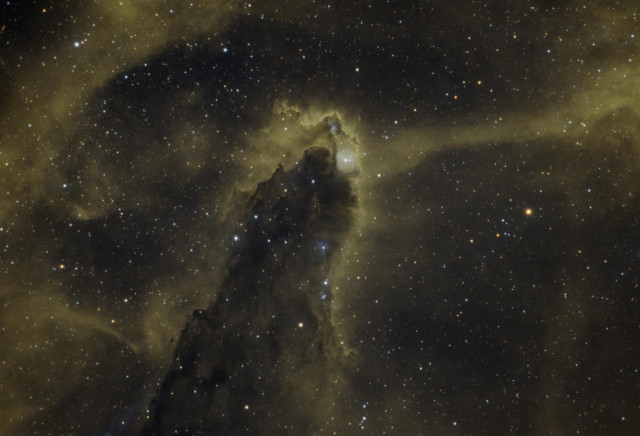
Playing with some new astro processing tools; denoising and sharpening. These are before and after versions of the “Dark Tower” cometary globule in Scorpius (not scorpio)
#astrophotography #space #Astrodon