Search
Items tagged with: astronomy

My employer, Australian Astronomical Optics at Macquarie University in Sydney, are currently looking for a electronics engineer to join our electronics engineering group. If you're an EE and would like to apply your skills to design, build, test and deploy electronics for astronomical instrumentation for the world's observatories then check out the listing here: mq.wd3.myworkdayjobs.com/Caree…
Please boost for reach.
#Astrodon #Astronomy #AstroJobs #FediHire

Electronics Engineer
PRIMARY DETAIL HEW Level 7 ($114,992 – $124,676 per annum), plus 17% superannuation and annual leave loading Full-time, 2 Year fixed-term role Macquarie University, Wallumattagal Campus, North Ryde Australian Astronomical Optics (AAO) at Macquarie Un…mq.wd3.myworkdayjobs.com

Stonehenge under the Milky Way — the highlight of my holiday in southern England, captured on the very first night. Almost perfect conditions, right beside the ancient stones.
▼ IRIX 15mm | Canon EOS R
astrocamp.eu/en/stonehenge-and…
#astrophotography #astronomy #nature #deepsky
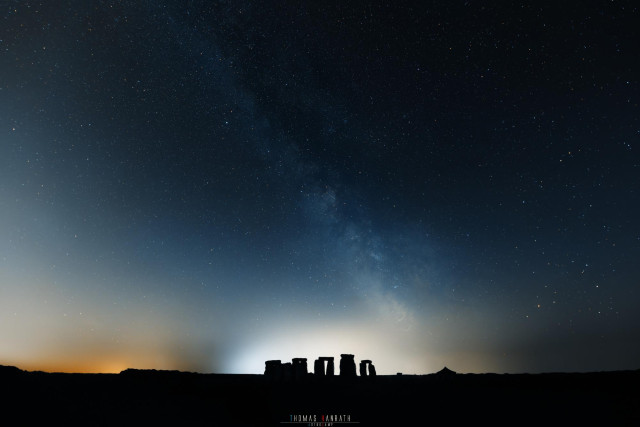
Stonehenge and Milky Way, Jul'26
The highlight of my holiday in southern England came on the very first night: Stonehenge with a touch of the Milky Way!Thomas Hanrath (Astrocamp – Astrophotography & Deep-Sky Catalog)

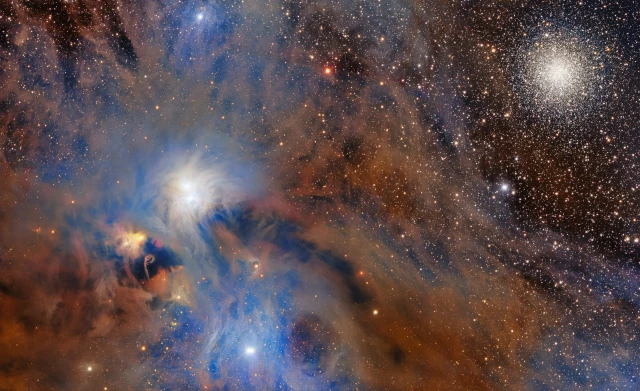
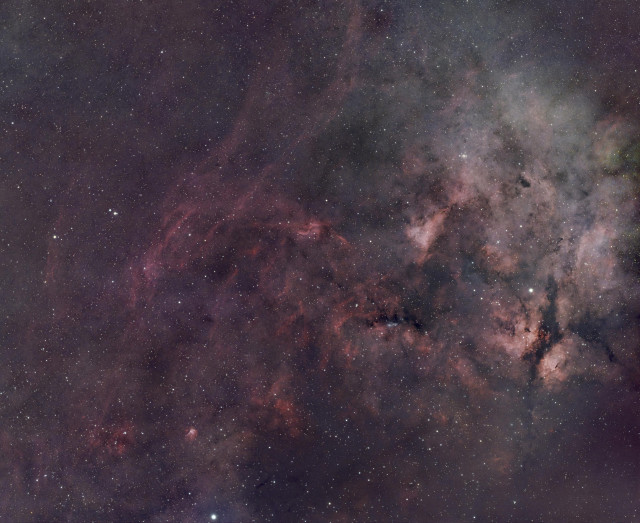
The #CoronaAustralis #MolecularCloud and the #ChandelierCluster
#Astronomy #Picture of the Day
apod.nasa.gov/apod/ap260722.ht…
APOD: 2026 July 22 – The Corona Australis Cloud and the Chandelier Cluster
A different astronomy and space science related image is featured each day, along with a brief explanation.apod.nasa.gov
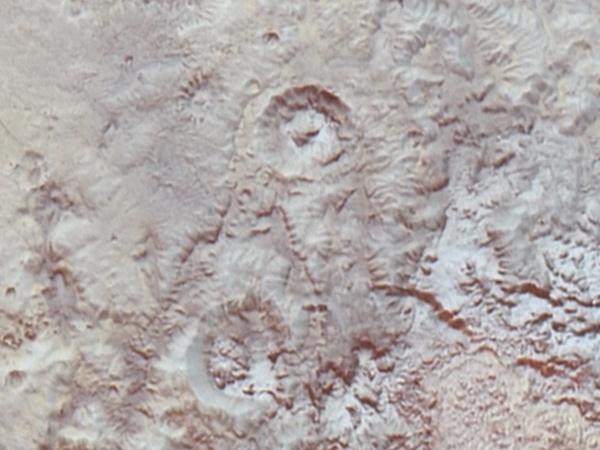
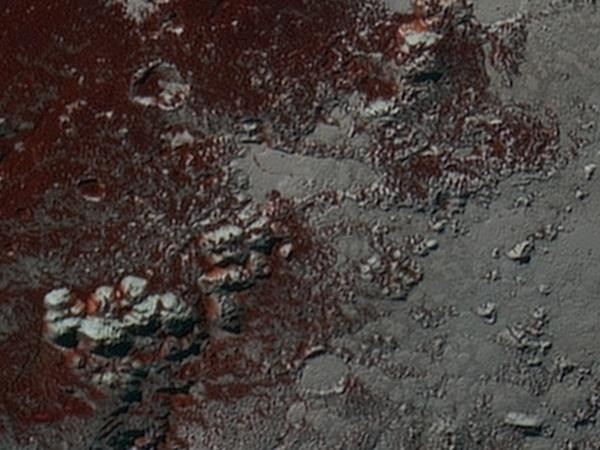
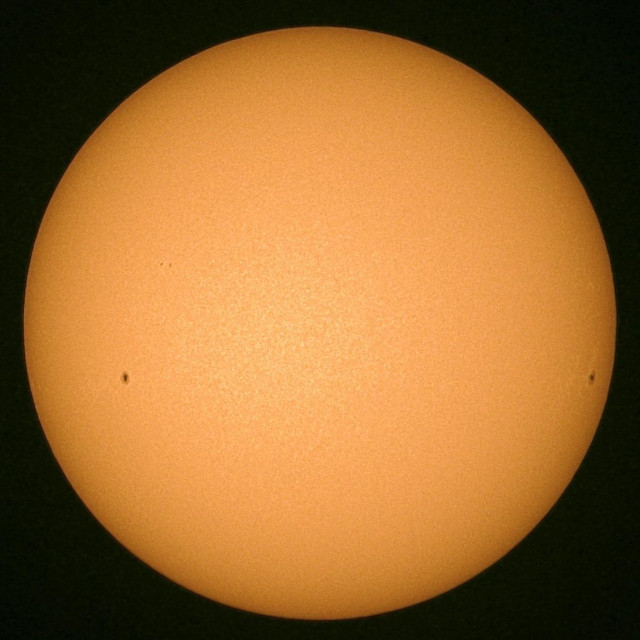
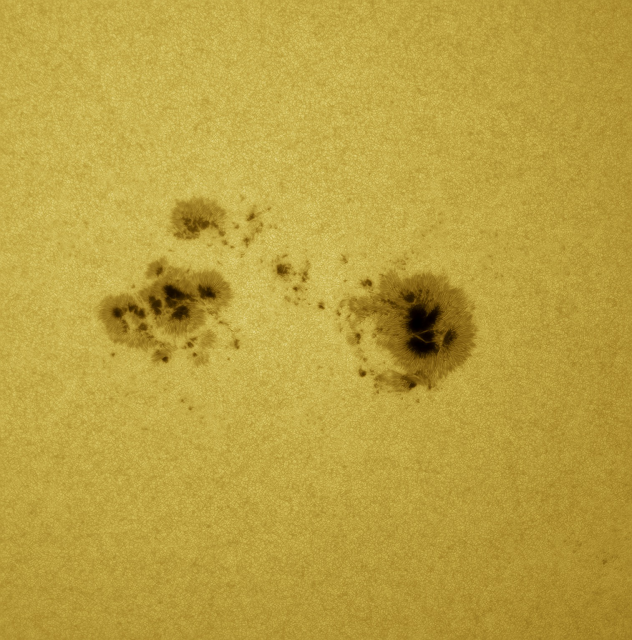
Our star as seen earlier today from West Seattle.
#sunspots #OurStar #astronomy #AstroPhotography #WestSeattle #seattle
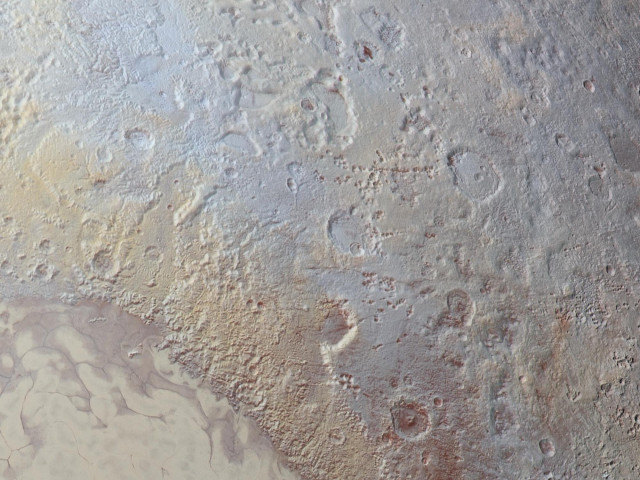
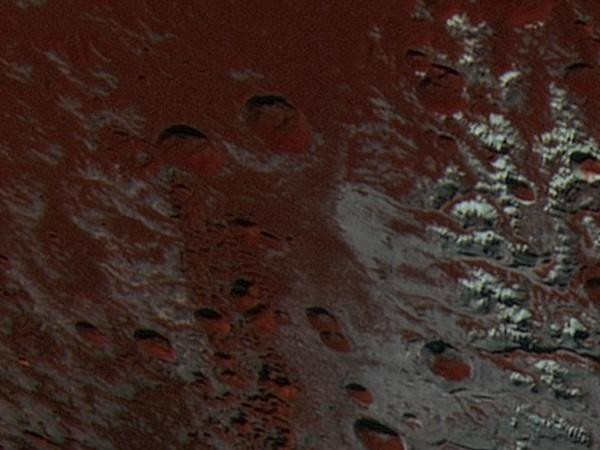
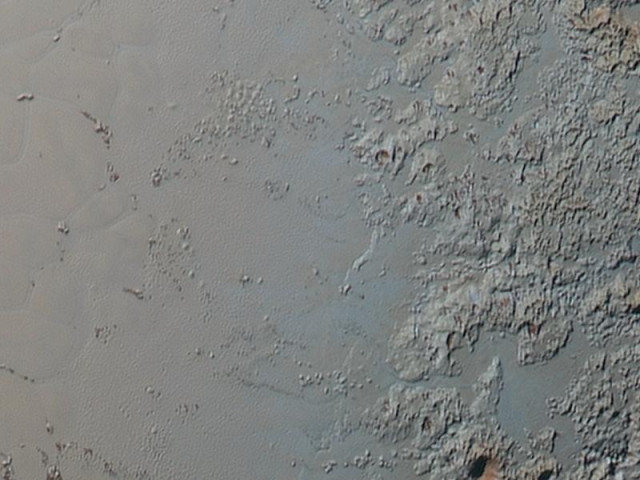
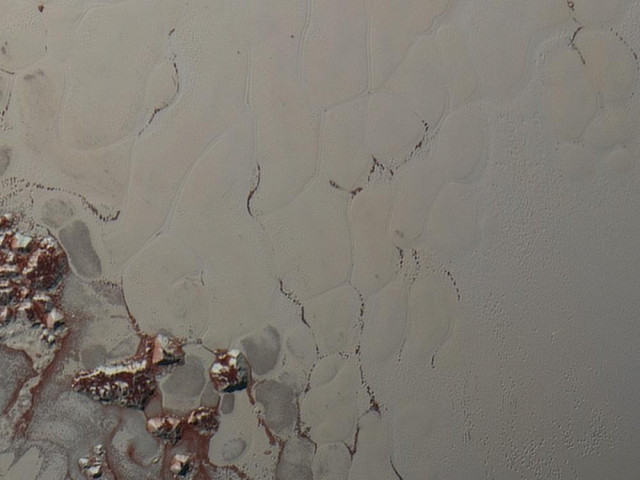
☄️ For the first time ever, astronomers have caught a "dark comet" sprouting a tail.
Dark comets look like asteroids but mysteriously speed up as if pushed by invisible jets. Now a team using the Very Large Telescope in Chile has finally photographed a tail on one, confirming they really are comets.
This is huge because it likely solves the 'Oumuamua mystery from 2017 - that weird interstellar object that accelerated for no obvious reason. Turns out it was probably just venting gas from hidden ice, not aliens.
Nearly 20 dark comets are now known, and scientists think there could be far more hiding in plain sight. Since comets may have delivered Earth's oceans, finding a hidden population of them could reshape our understanding of how our planet became habitable.
Published in Nature Astronomy this week.
scientificamerican.com/article…
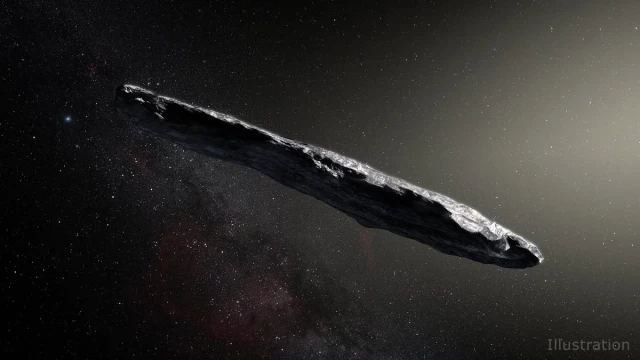
‘Dark’ comets sprouting tails could help solve interstellar mysteries
A strange class of comet could explain the enigmatic behavior of ‘Oumuamua, the first known interstellar object—and even shed light on how Earth became habitableDarryl Z. Seligman (Scientific American)


🪐 Ancient Babylonians were doing calculus 1,400 years before Europe.
Between 350 and 50 BCE, Babylonian astronomers calculated Jupiter's position by computing the area under a time-velocity curve - treating the planet's changing speed as a trapezoid on a graph. Historians thought this technique wasn't invented until 14th-century Oxford.
The tablets sat untranslated in the British Museum for over a century until Mathieu Ossendrijver cracked them in 2016.
#history #science #astronomy
nationalgeographic.com/science…
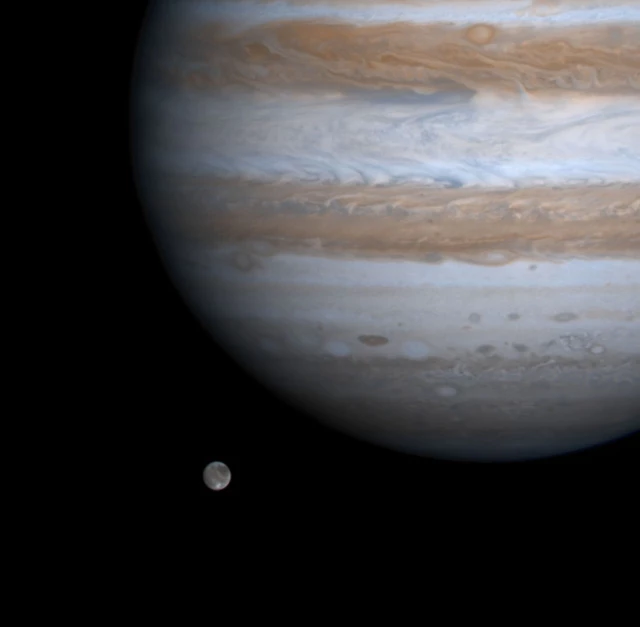
Babylonians Tracked Jupiter With Advanced Tools: Trapezoids
Ancient tablets describe math that was thought to have been invented over 1,000 years later, rewriting the history books.Michael Greshko (National Geographic)
This is why we call it the Extremely Large Telescope!
This photo shows the massive structure that will hold the main mirror of our ELT. It was taken when the construction reached an important milestone: for the first time, the telescope’s structure was rotated horizontally by a few centimetres... by hand!
Read more: eso.org/public/images/potw2627…
1/2
📷 ESO/Cimolai
#astrodon #astronomy #astrophysics #space #science #engineering
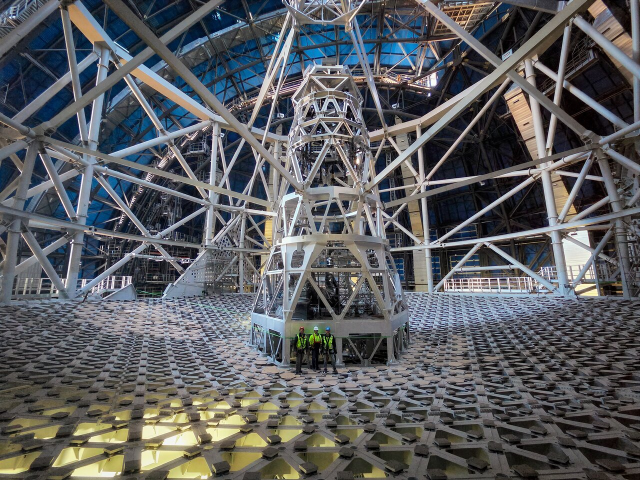
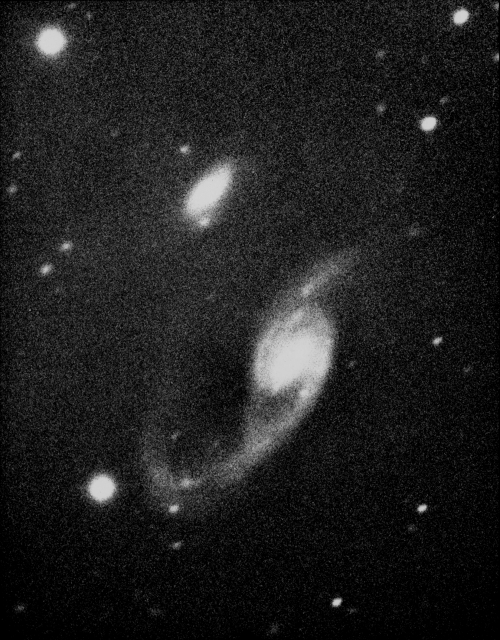
Image of Arp 70, also known as UGC 934, from the Atlas of Peculiar Galaxies by Halton Arp (1966).
In the original catalog, it was in the category: Spiral galaxies - Small, high surface brightness companions. Like its more famous cousin M51 (Arp 85, the Whirlpool galaxy), Arp 70 is a large galaxy with two well-defined spiral arms interacting with a small companion. These interactions are linked to grand-design spiral arms.
Source: ned.ipac.caltech.edu/level5/Ar…
#ArpGalaxy #Galaxy #Space #Astronomy
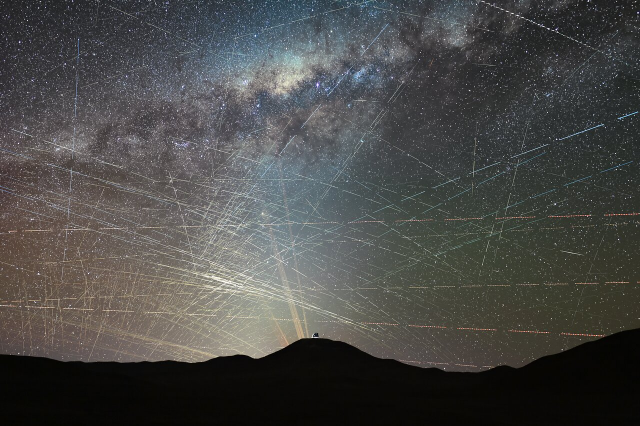
🚨 Beyond the limit 🚨
New ESO study finds that current proposals to launch 1.7+ million satellites into orbit would have devastating consequences for astronomy.
The most extreme proposals come from SpaceX & Reflect Orbital
1/4
📷 F. Kamphues, ESO/M. Kornmesser
#astrodon #astronomy #astrophysics #space #science #environment #pollution
Galaxy Gazing
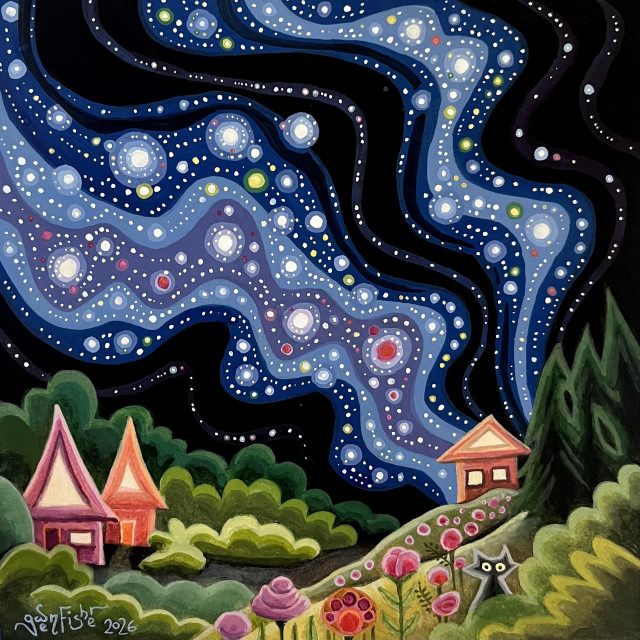
I recent learned that because we are at the edge of our Milky Way galaxy, the view of night sky in the northern hemisphere shows both arms of our spiral galaxy. I tried to capture that in this painting.
Painted on 8” square paper including a narrow blue border.
Painted with highly lightfast gouache and watercolor paint and on hot press 300 GSM 100% cotton paper. #painting #gouache #astronomy #landscape
Behind every deep sky image is a story. Discover the gear and passion that drive Astrocamp - from capturing distant galaxies to glowing nebulae and sparkling star clusters. Meet the astronomer chasing the night sky one frame at a time.
I just had a foto session with my daughter and already used some results on my about page.
#astrophotography #astronomy #nature #deepsky
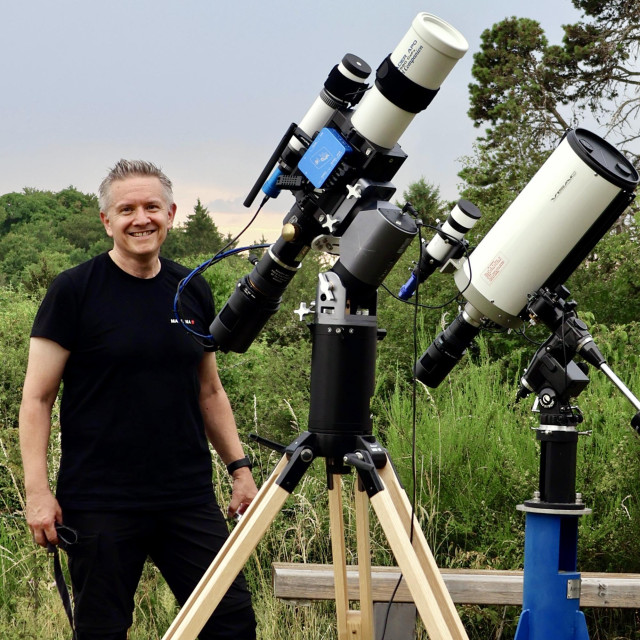
About Me – Astrophotography & Deep Sky – Astrocamp – Astrophotography & Deep-Sky Catalog
Astrocamp is my astrophotography project. Learn about the gear I use to capture galaxies, nebulae and star clusters – and the story behind it.Astrocamp – Astrophotography & Deep-Sky Catalog
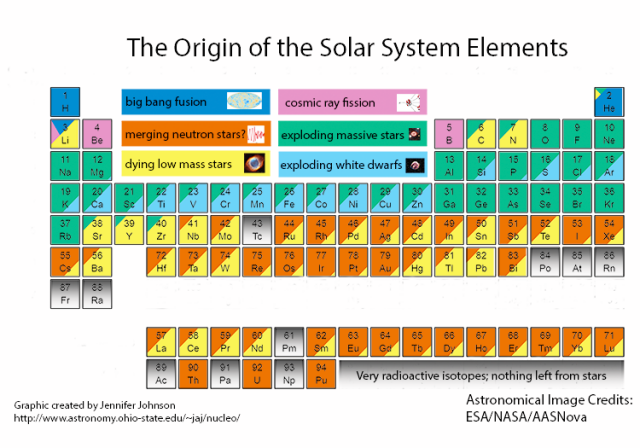
We are all stardust.
The oxygen you breath? That comes from dying massive stars, ending their life in a supernova.
The iron in your blood? Some from massive stars dying, but mainly fron white dwarfs, the leftovers of dwarf stars like our own Sun, exploding.
Carbon, the basis of life? Mostly from dying low mass stars.
The gold ring on your finger? Mostly from merging neutron stars, leftovers from supernovae.
#VicisAstro #astrodon #astronomy #astrophysics
🌙 The Cosmic Crash That Made the Moon
About 4.5 billion years ago, a Mars-sized planet called Theia slammed into Earth. The Moon is what was left of the wreckage. That's the short version.
The long version is wilder than we thought:
- Theia was probably Earth's neighbor, formed from the same inner solar system material (Hopp et al., Science, Nov 2025)
- It may have hit Earth as a "metallic cannonball" after losing its mantle in earlier collisions
- The Moon might have formed in hours, not months (NASA Ames, 2022)
- Lunar rocks were "reset" by tidal remelting 4.35 billion years ago, masking the Moon's true age of 4.43-4.53 billion years (Nimmo et al., Nature, Dec 2024)
- Theia's mantle may still be inside Earth - two continent-sized blobs at the core-mantle boundary
Full deep dive: hermez.prose.sh/how-earth-got-…