Search
Items tagged with: architecture

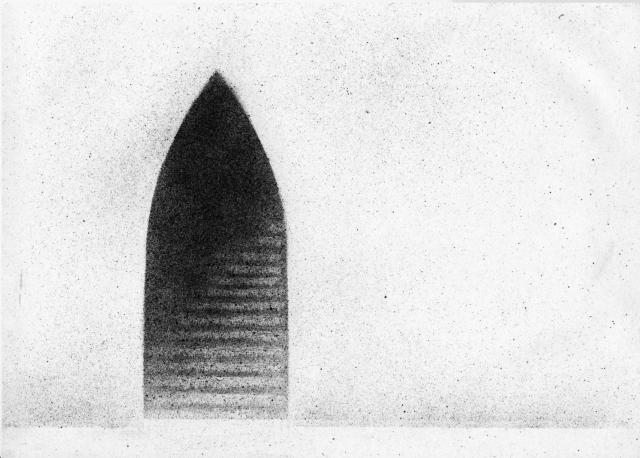
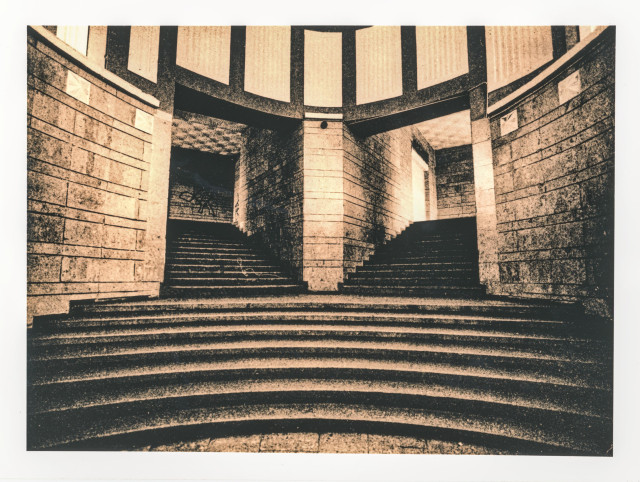
"Veillée" Scratchboard drawing A4
#art #blackandwhite #noiretblanc #dessin #drawing #scratchboard #encreacrylique #illustration #artwork #artist #artistsonpixelfed #pierrebarrauddelagerie #architecture #atmosphere #graphicdesign #brutalism #scraperboard #scratchboardart
Pierre Barraud de Lagerie - Visual artist and illustrator
French visual artist, mostly monochrome, with analog and digital tools. - Paintings, scratchboards, drawings, digital works with MsPaint, album cover and illustration.Pierre BARRAUD DE LAGERIE

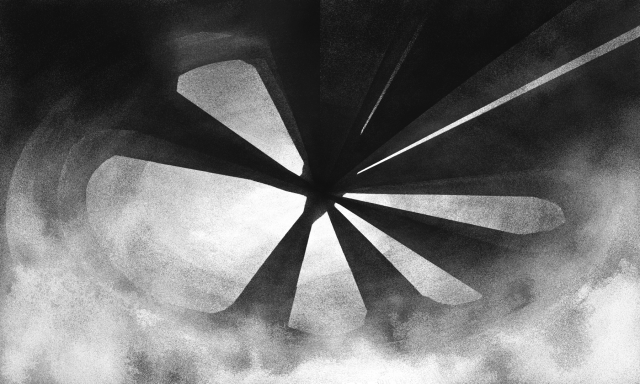
Digital drawing with MsPaint and Krita
#art #blackandwhite #noiretblanc #dessin #drawing #digitalart #pixelart #digitaldrawing #mspaint #illustration #artwork #artist #artistsonpixelfed #pierrebarrauddelagerie #krita #madewithkrita #digitalartwork #symbolism #architecture #atmosphere #graphicdesign
Pierre Barraud de Lagerie - Visual artist and illustrator
French visual artist, mostly monochrome, with analog and digital tools. - Paintings, scratchboards, drawings, digital works with MsPaint, album cover and illustration.Pierre BARRAUD DE LAGERIE

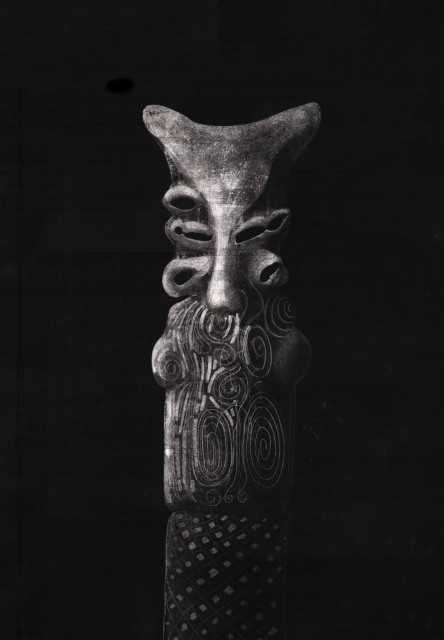
A scratchboard drawing inspired by Lovecraft / size is 70x100cm.
Open to commission
pierrebarrauddelagerie.com/202…
instagram.com/pierrebarrauddel…
#art #pixelfedart #scratchboard #scratchboardart #blackandwhite #drawing #artwork #blackandwhitedrawing #noiretblanc #architecture #ancient #symbolism #lovecraftian #light #lightandshadow #scraperboard #lovecraftian #cthulhu #cthulhudark #darkart #dark #horror #cosmichorror
Gallery III 2023 / 2024 — Pierre Barraud de Lagerie
The analog drawings, scratchboard technique, made in 2023 and 2024.Pierre BARRAUD DE LAGERIE
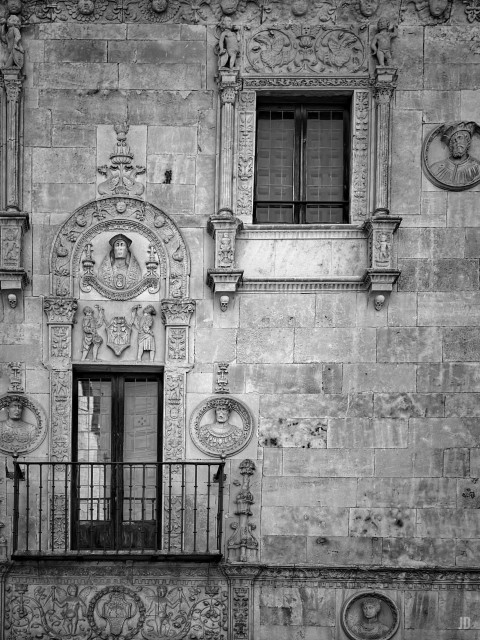
Casa de las Muertes.
📍 Salamanca.
#photography #photo #fotografia #blackandwhite #bnwphotography #bnw #monochrome #blancoynegro #architecture #salamanca #streetphotography
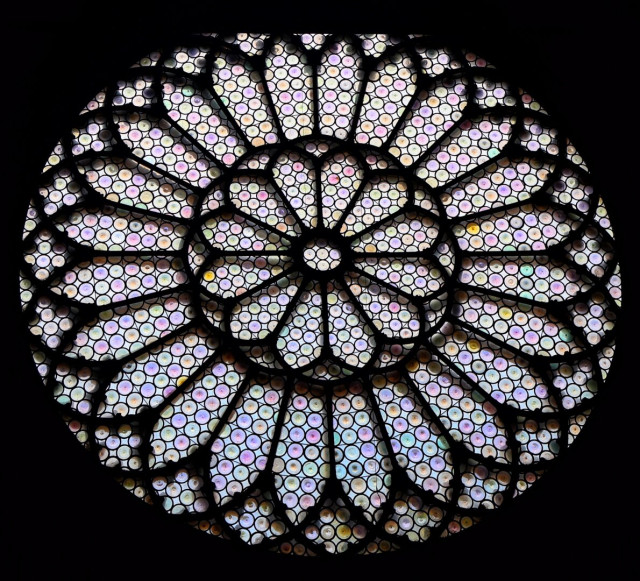
#FensterFreitag at #Trieste Cathedral earlier today
#Triest #KathedraleTriest #TriesteCathedral #Kirchenfenster #FensterRosette #roseWindow #Gotik #Gothic #architecture #Architektur #stainedGlass #stainedGlassWindow #Buntglas #church #Kirche #Kathedrale #cathedral #window #Fenster #WindowFriday
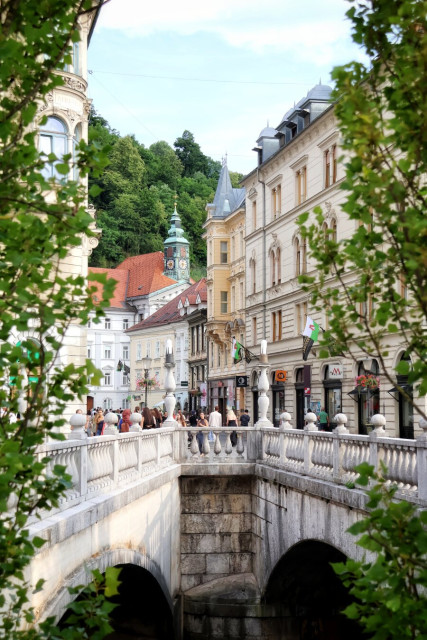
#FotoVorschlag: Weltkulturerbe // World Cultural Heritage
Teil der #DreiBrücken in Ljubljana, die zum UNESCO-Weltkulturerbe "Die Werke von Jože Plečnik in Ljubljana – am Menschen orientierte Stadtgestaltung" gehören. Wie ich gerade erfahren habe. 😅
//
A snapshot of part of the #TripleBridge in #Ljubljana, belonging to the "Works of Jože Plečnik in Ljubljana – Human-Centred Urban Design", listed as World Heritage. I learned all this today. 😅
#UNESCO #Weltkulturerbe #UNESCOWeltkulturerbe #WorldHeritage #WorldHeritageSite #UNESCOWorldHeritage #Laibach #cityscape #urban #streetPhotography #bridge #Brücke #bridgeObsession #architecture #Architektur #Slowenien #Slovenia #Slovenija #Tromostovje #JožePlečnik
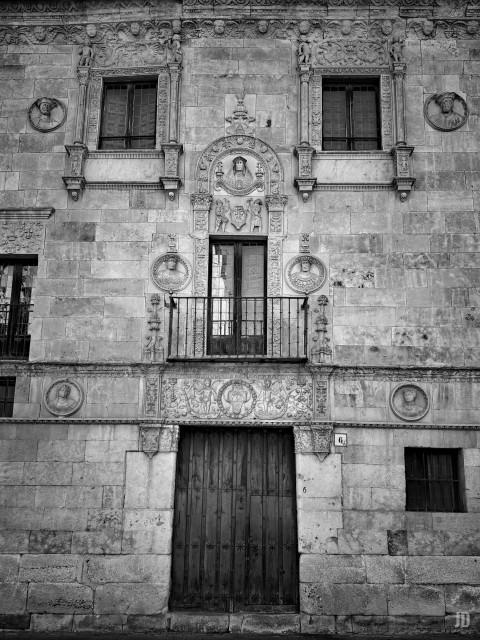
Casa de Las Muertes.
📍 Salamanca.
#DoorsDay
#FotoVorschlag
Weltkulturerbe
Patrimonio Cultural de la Humanidad
#photography #photo #fotografia #blackandwhite #bnwphotography #bnw #monochrome #blancoynegro #architecture #salamanca #streetphotography #pareidolia
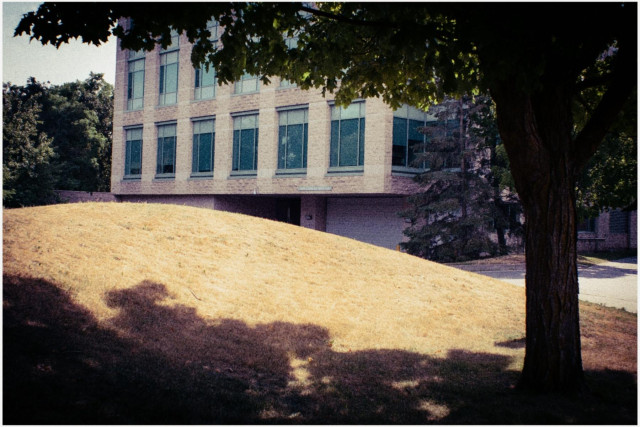
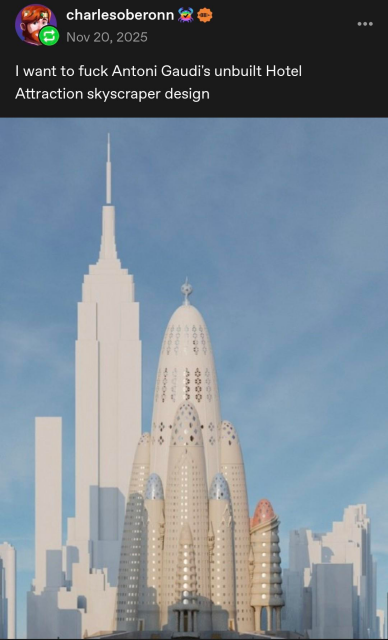
Alright, callin 'er done!
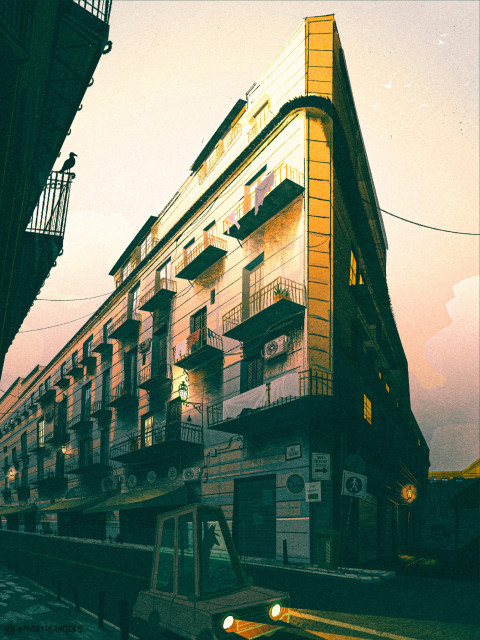
#art #illustration #mastoart #drawing #cityscape #italy #sicily #palermo #architecture
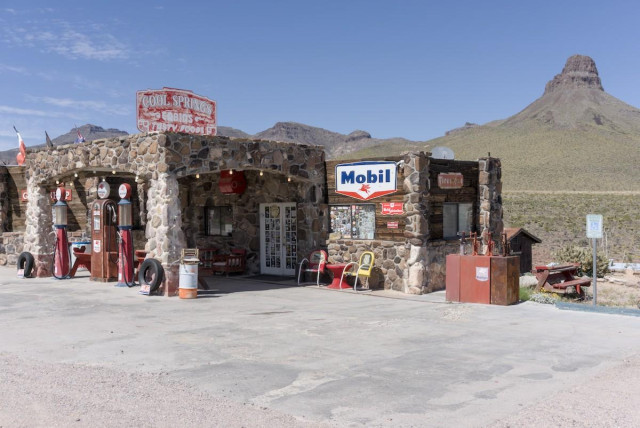
Cool Springs on Route 66 in Western Arizona. This is what it looked like ten years ago. Sadly, a new owner (I think), has completely trashed it out with garbage plastic souvenir displays and t-shirt racks in front of the building.
#Travel #RoadTrip #Landscape #Architecture #Desert #Photography #Darktable
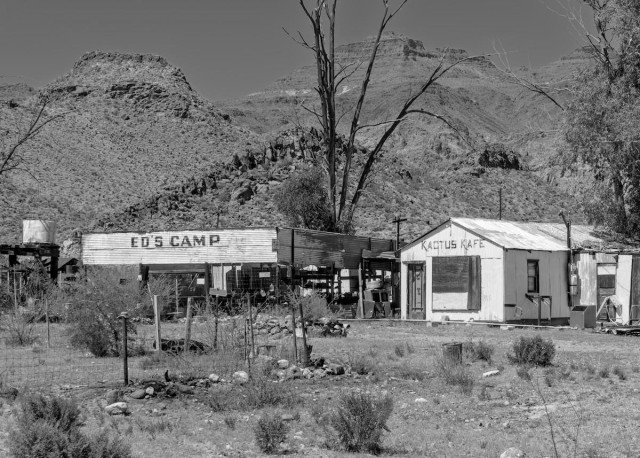
Get your kicks at Ed's Camp on Route 66! Looks like the Kactus Kafe is a great place for some delicious roadkill delicacies!
#Travel #RoadTrip #Landscape #Abandoned #Architecture #Desert #BlackAndWhite #MonoChrome #Photography #Darktable
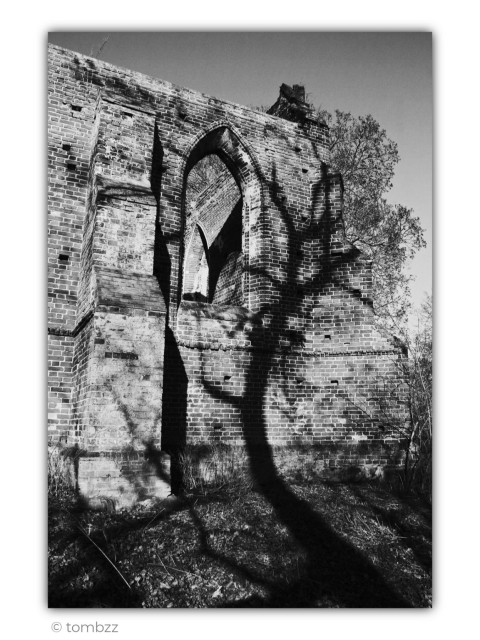
The future is always hidden behind the choice
🧻 Fomatone MG 131 18x24 cm in SE5 Lith + Lith Ω + Selenium toning
🎞️ Kodak Tri-X 400@800 in Kodal HC-100 1+63
📷️ Canon EOS 3 | Canon EF 17-40mm f/4 L
#BelieveInFillm
#FilmPhotography
#35mm
#DarkRoomPrint
#architecture
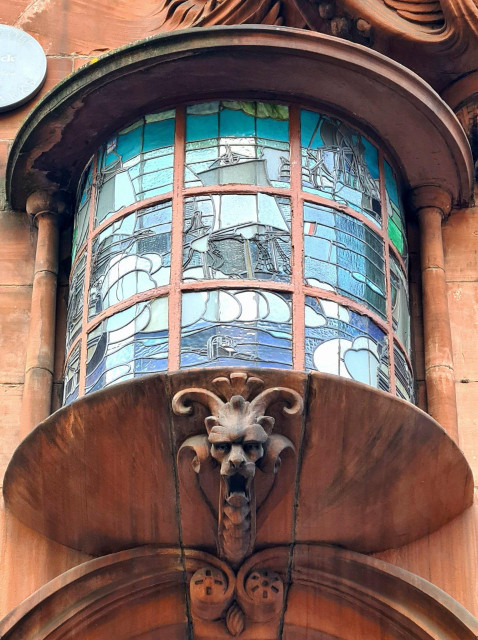
Love this projecting stained glass fanlight above the entrance to the Hat-Rack at 144 Saint Vincent Street in Glasgow. Designed in an Art Nouveau style by James Salmon Junior, the Hat-Rack was built in 1899. I love the screaming head below the window, too!
#glasgow #architecture #architecturephotography #hatrack #stainedglass
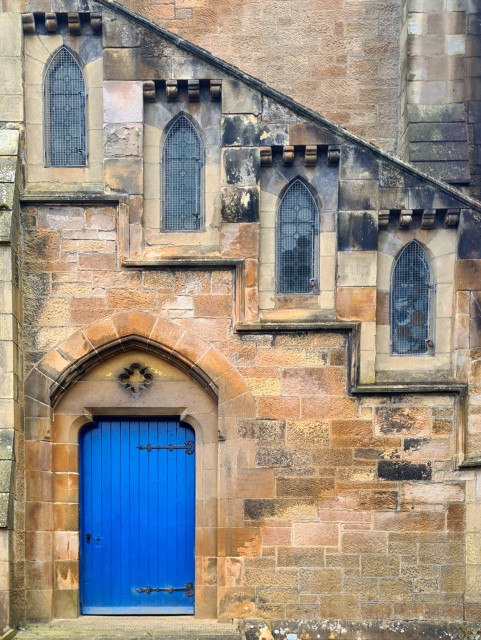
I love the way these windows 'climb' the internal stairs on Eastwood Parish Church on the Southside of Glasgow. Designed by Charles Wilson, this church was built in 1862.
#glasgow #windows #architecture #architecturephotography #church
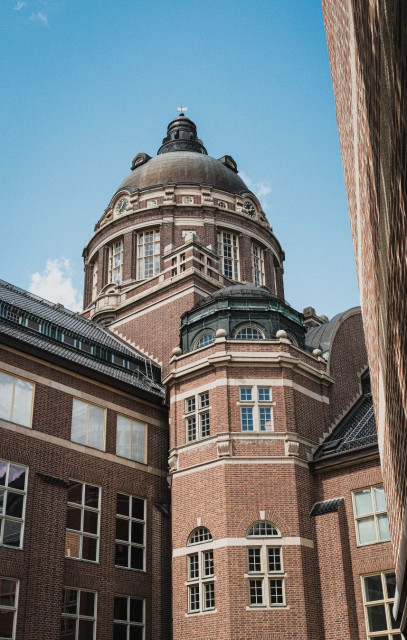
Dag 207 / Day 207
Naturen samlad under tegel. / Nature gathered beneath brick.
#naturhistoriskamuseet #stockholm #arkitektur #tegel #kupol #photography #365project #naturalhistorymuseum #architecture #brickbuilding #dome #sweden #swedishcityarchitecture #historicbuilding #museum #lookingup #urbanphotography #fujifilm #xt30ii #cityarchitecture
It’ll probably be as well done as the no-bid #ReflectingPool.
#Trump is using a $500M #NoBid contract to build his White House #ballroom
The secret agreement was routed through a #WhiteHouse office that typically handles repairs & furnishings & is exempt from competitive bidding requirements.
#law #TaxPayersMoney #GovernmentWaste #oversight #landmark #UShistory #UrbanPlanning #architecture
wapo.st/4vWKurH
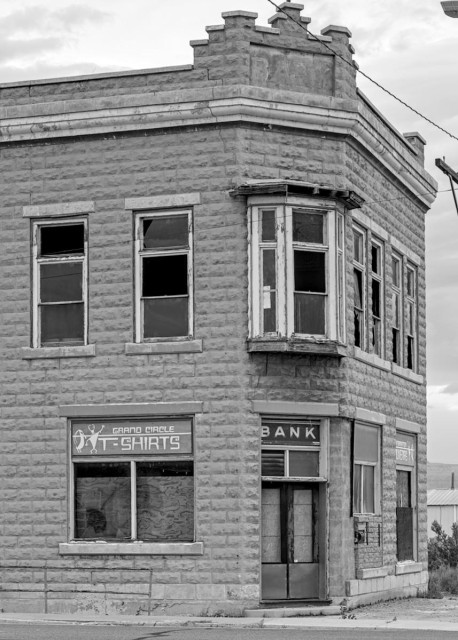
A bank with a t-shirt shop, why not?
(Green River, Utah)
#Abandoned #Ruins #RoadTrip #Architecture #Travel #Photography #Darktable
With no public accounting of the entire #Trump construction spree, a team of NYT reporters—Luke Broadwater, Marco Hernandez, Junho Lee & Elena Shao—set out to produce one. They found that the admin had mobilized at least $1.2 billion on no fewer than 18 major projects across the nation’s capital. Here’s everything they learned about their budgetary provenance.
#law #landmark #PublicLand #conservation #TaxPayersMoney #oversight #UrbanPlanning #architecture
nytimes.com/interactive/2026/0…
